This post may contain affiliate links, which means I may receive a commission from purchases made through the links.
From the shores of Lake Victoria to the coastal cities of Kenya and Tanzania, breakfast in East Africa is an amazing mix of indigenous traditions and external influences. Breakfast ranges from plantain-based dishes to fried pastries that’ll make you wonder whether you are in Africa or the Middle East. Needless to say, all of these dishes are so comforting and extremely flavorful. Here are some popular and wholesome East African breakfast items that you should definitely try, be it while visiting the region or from the comfort of your home, wherever that is in this big, beautiful world.
1. Maandazi (East African Doughnuts)
Also known as mandazi, this is a beloved breakfast staple across Kenya, Tanzania, and Uganda. Mandazi is a slightly sweet, fluffy fried dough that is somewhat similar to doughnuts, but with a less sugary taste.

Mandazi dough is prepared with wheat flour, dairy milk, eggs, sugar, baking powder, and sometimes a hint of cardamom, cinnamon, or lemon zest for aroma. Basically like cake batter, but firm. The dough is usually rolled out and cut into shapes – square, triangular, even oval – before being deep-fried to a golden brown. Of course, you can also cut your mandazi into doughnut shapes! No restriction, really. I remember in my childhood days, we would beg our mom to make little mandazi persons, you know, with a head, legs, and all. Thinking about it now, the thought of biting off that little person’s head doesn’t sound very entertaining anymore. Here’s my delicious maandazi recipe, and you can also watch the recipe on YouTube.

What to serve with mandazi: Mandazi pairs beautifully with a cup of chai (tea with milk) or coffee. Some people enjoy dipping it in beans, stew, or even smearing it with margarine.

2. Chai (ya Tangawizi) – (Ginger) Tea
Chai is more than just a drink in East Africa. It’s a social ritual. The East African tea is commonly made with dairy milk, black tea leaves, and sugar. Chai ya tangawizi, which is Swahili for ginger tea, is also an extremely popular version where freshly crushed ginger, or sometimes ginger powder, is added to the tea. This is a spicy and aromatic version that’s often the centerpiece of a coastal East African breakfast. To learn how to make this amazing beverage, here’s my very easy recipe for African mixed tea.
What to serve with Chai: Chai accompanies almost any breakfast item, from mandazi to boiled cassava, and is often sipped leisurely during evening conversations.

3. Mahamri
A close cousin of mandazi, mahamri is a Swahili coastal treat that’s slightly sweeter and made with coconut milk, yeast, and cardamom. I must clarify here, though, that some regions of East Africa use the terms maandazi and mahamri interchangeably. But if you ask me, the differences are in yeast vs baking powder, and coconut vs dairy milk. Mahamri dough usually requires proofing (of course), after which it is shaped into triangles and fried until puffy and golden. Oh yes! That’s the third difference – the shapes. We don’t cut mahamri in any shape other than triangles! There you have it! Here’s my recipe for finger-licking-good mahamri.
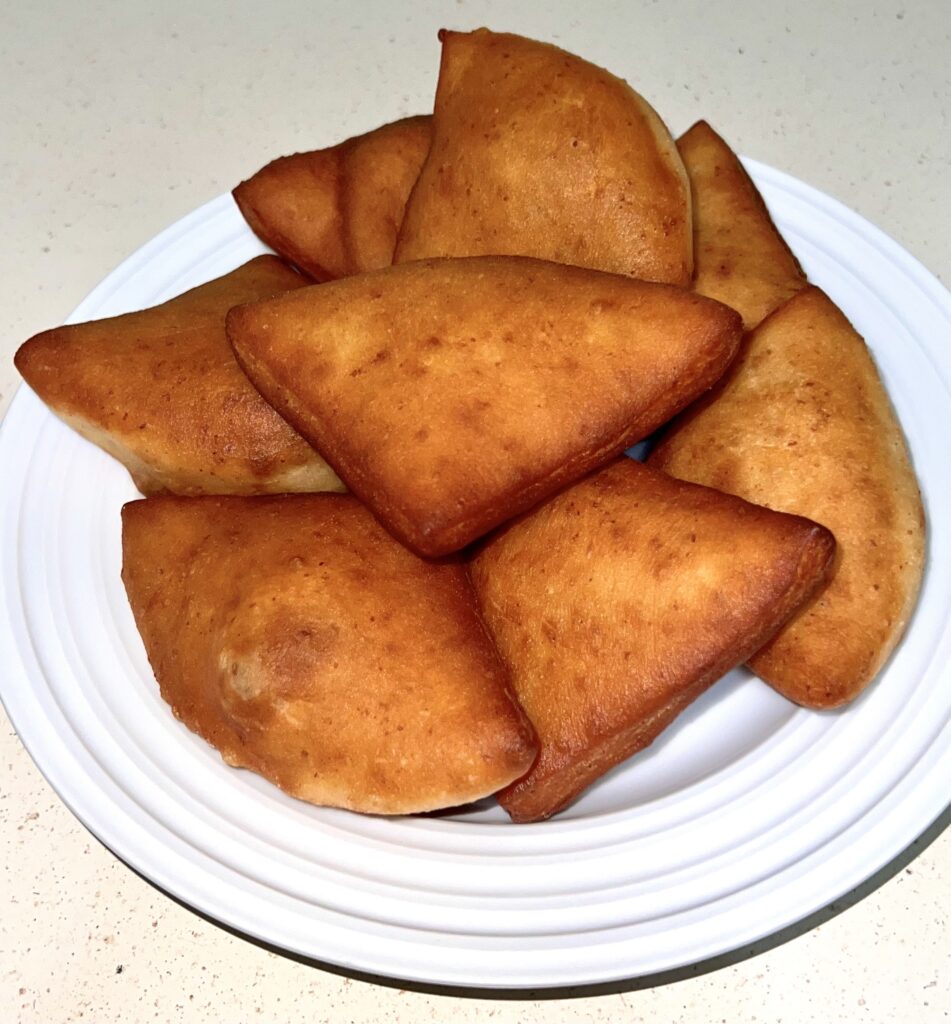
What to serve with mahamri: In the coastal regions where mahamri is more popular, it is often enjoyed with mbaazi – pigeon peas – cooked in a rich coconut sauce. A classic Swahili coastal combo that is very satisfying. In upcountry regions, though, mahamri is simply served with a hot beverage like tea or coffee.
4. Uji wa Wimbi (Millet Porridge)
This is a traditional, nutritious porridge made from finger millet flour, particularly popular among communities in Kenya and Tanzania. To make uji, millet flour is mixed with cold water to form a smooth paste that is then added to boiling water, stirred, and simmered to create a thick porridge. Additions such as milk or lemon juice, and sugar are common. As I demonstrate in my uji wa wimbi recipe, it is important to get the ratios of flour and water correct so that your porridge is of the right consistency. Fermented versions of this porridge are common too. They have a slightly tangy flavor and are usually sweetened with sugar, too. Uji is often consumed warm and is especially valued for its health benefits and satiety.
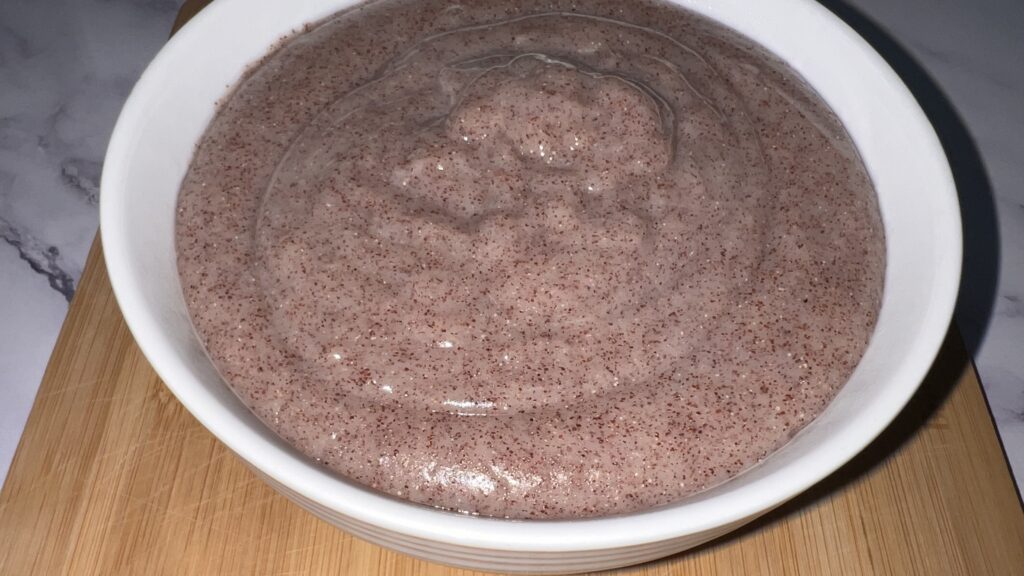
What to serve with uji: Uji is commonly served on its own or with a side of bread, mandazi, or boiled eggs.
5. Chapati
Yes, chapati is enjoyed for breakfast too! I know, some people think of chapati as a lunch or dinner item only, perhaps because many consider it too bulky, but no! Just like you can have a breakfast burrito here in the US, you can also have chapati for breakfast in Kenya. Wait a minute. Perhaps some readers don’t know what on earth chapati is that I’m so excited to talk about. It is a simple unleavened dough of flour, water, oil, and salt that is kneaded, rested, then rolled out and pan-fried for a soft, flaky flatbread.

East Africans, especially Kenyans and Ugandans, cherish chapati for breakfast. As a matter of fact, the same chapati recipe is often used to make breakfast, lunch, and dinner chapati. But hey, I came up with my very own breakfast chapati recipe! It’s what I do. I love to cook, soo…. no big deal. This version of chapati is lighter, tastier, and simply… ‘breakfasty’ – all made with buttery goodness. Seriously, though, here’s my buttery breakfast chapati recipe that I really recommend (and hope) you try.
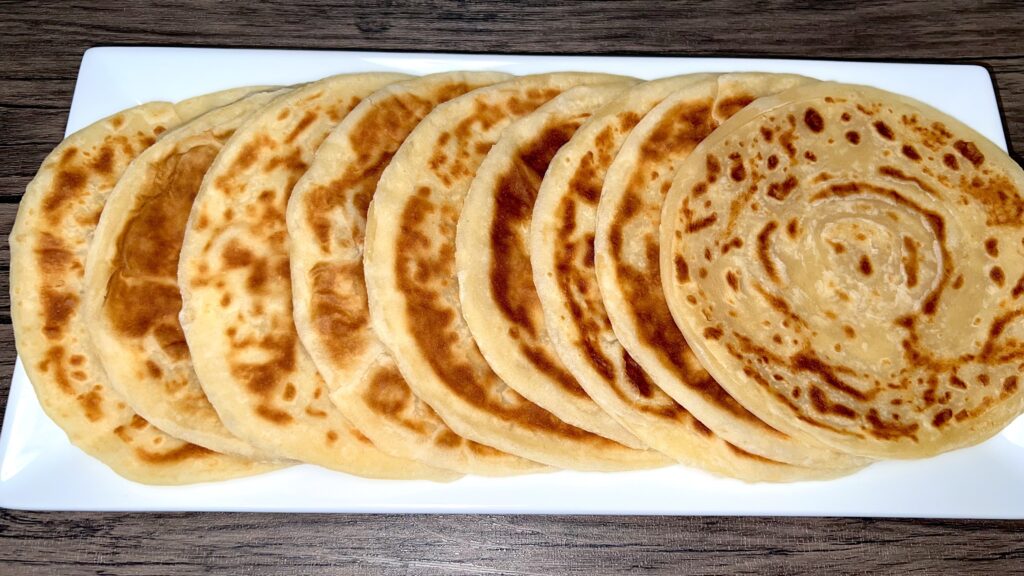
What to serve with chapati: Chapati is versatile, as I mentioned. For breakfast, you can enjoy it with scrambled eggs (often mixed with onions, tomatoes, and green chilies), sausages, beans, or just a hot cup of tea.

6. Kaimati
These are sweet, sticky Swahili dumplings that make for a decadent breakfast or snack, especially popular during special occasions. To make kaimati, a fermented dough is made with flour, yeast, and yogurt or water. It’s then scooped into hot oil in bite-sized dollops and deep-fried, then soaked in a sugary syrup infused with cardamom and rose water or lemon.
What to serve with kaimati: It is also enjoyed with tea or coffee, usually as a festive treat, such as during Ramadan mornings or celebratory breakfasts.
7. Nduma (Boiled Arrowroots)
Root vegetables like arrowroot are a go-to breakfast item in many Kenyan households for a simple, healthy start to the day. In Uganda, sweet potatoes and cassava are the go-to tubers. To cook these dishes, the roots are first peeled and washed clean, and boiled in salted water until tender. No seasoning is added, allowing their natural, earthy tastes to shine through.
What to serve with nduma: Nduma is commonly paired with a hot beverage like chai or eaten with uji.
8. Viazi Karai (Coastal Fried Potatoes)
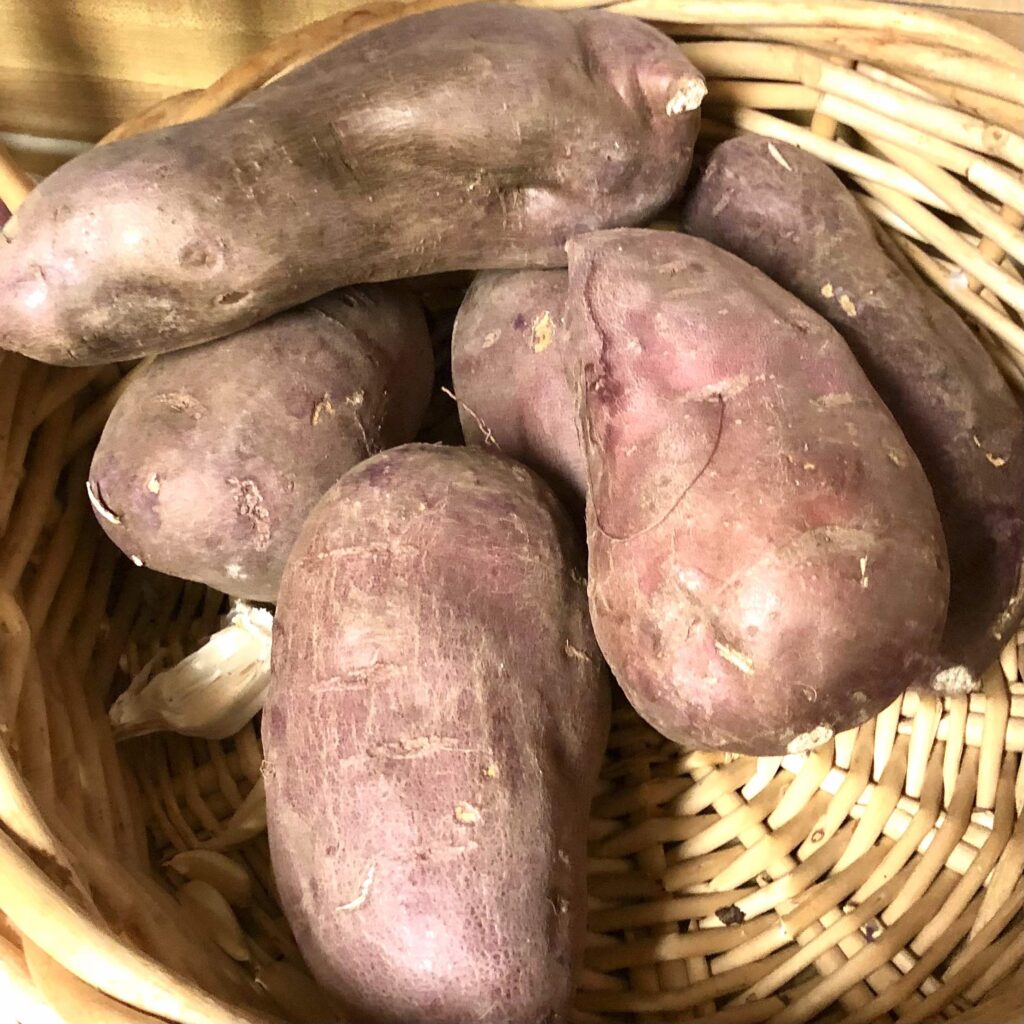
Viazi karai is a favorite breakfast item in Mombasa and coastal Tanzania. To make this dish, boiled potatoes are sliced and dipped into seasoned gram or wheat flour batter, then deep-fried until crispy on the outside.
What to serve with viazi karai: This dish is often served with tamarind chutney (ukwaju) or chili sauce.
9. Katogo
This is a hearty Ugandan dish that is made as a one-pot breakfast stew combining various ingredients. Typically, matoke (green bananas) is stewed with offal. Onions, tomatoes, and spices are used to enrich the flavor. In other versions, groundnut sauce may be poured over matoke.
What to serve with matoke: Katogo is often eaten as a full breakfast meal with no additional sides, and it is very filling.
10. Samosa
Though more often associated with snacks, samosas are a beloved part of East African breakfasts, particularly when served hot and fresh. To make samosas, thin pastry sheets are filled with spiced minced meat, vegetables, or lentils, then folded into triangles and deep-fried until golden and crispy. Here’s my samosa recipe using tortilla wraps – a more simplified recipe where you do not have to make the pastry sheets from scratch.
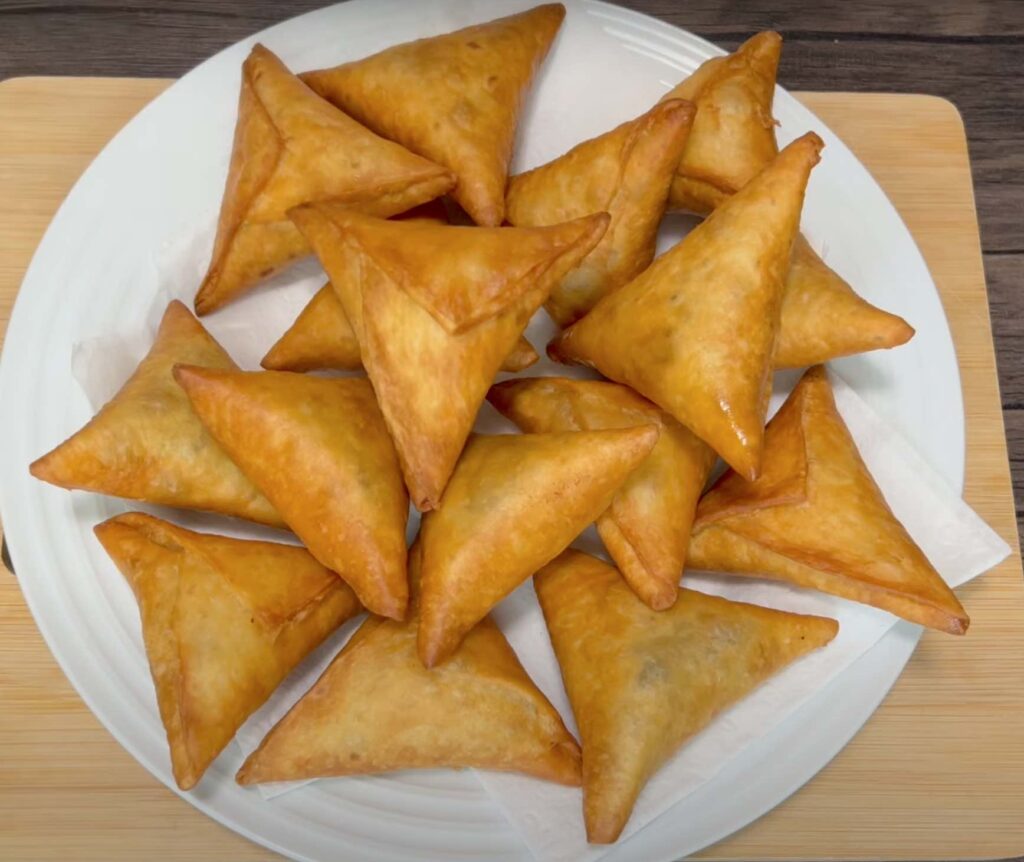
What to serve with samosa: Samosa is also perfect with a hot cup of chai. They are an indulgent way to start the day, especially during weekends or holidays.
Conclusion
East African breakfasts offer a perfect blend of nutrition and flavor. Dishes vary widely depending on where you are – from the coastal charm of mahamri and mbaazi to the hearty simplicity of millet porridge and arrowroots. I can confidently say that there’s something for every kind of breakfast lover. So the next time you’re in the mood to try something new for breakfast, give one of these flavorful East African favorites a try, and you won’t be disappointed.