This post may contain affiliate links, which means I may receive a commission from purchases made through the links.
When we think of essential nutrients for energy, the usual suspects often come to mind – iron, magnesium, B vitamins, and maybe even vitamin D. But there’s another lesser-known yet equally important mineral that’s quietly working behind the scenes to keep your energy levels high and metabolism running efficiently. That is copper! Yes, copper, the same metal used in wires and coins, is a trace mineral that plays a vital role in our bodies’ internal power grids. In this article, we will delve deep into the roles of copper in our bodies and your go-to foods that are rich in copper and will ensure you’re consuming enough of this essential mineral.
Why is Copper an Essential Mineral?
Health experts note that copper is involved in numerous physiological processes, including the production of cellular energy, iron metabolism, nervous system function, and antioxidant defense. Without enough copper, our bodies can’t effectively convert the food we eat into usable energy, making us feel sluggish and fatigued.
Despite its importance, copper is often overlooked in nutrition. The good news is that copper is found in a wide variety of everyday foods, and incorporating them into your diet is easier than you might think.
1. Liver
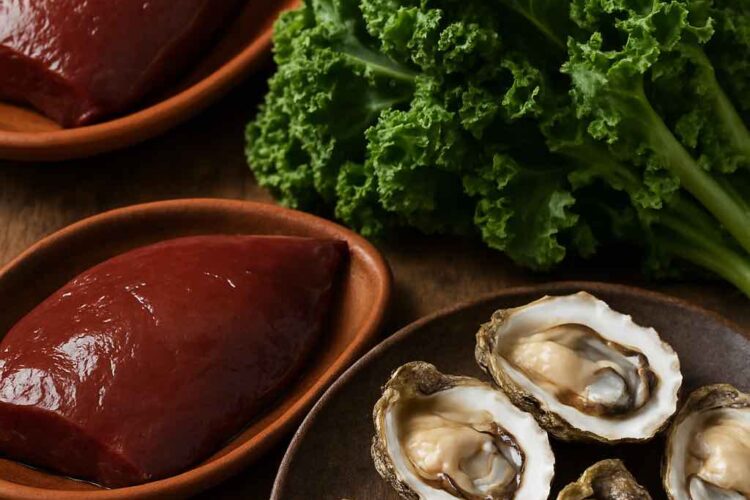
Liver is king when it comes to nutrient density. Beef and lamb liver are among the richest sources of copper available, with a regular serving of beef liver containing much more copper than the daily recommended intake (and for this reason, health experts recommend that you do not overeat beef liver. By that, they mean *eat it once a week at most.* Nothing more frequent than that, or it could lead to copper toxicity in your body). Liver is also packed with other metabolic-supportive nutrients like iron, vitamin A, and B12.

2. Oysters
Oysters are famous for many other reasons, but they’re also extremely rich in copper. A 3-ounce serving of oysters also provides more copper than the daily recommended value. Besides, they provide zinc and selenium, minerals which, together with copper, form a combo that is essential for thyroid function, cellular metabolism, and immune health.
3. Dark Chocolate
Here’s a guilt-free reason to indulge. High-quality dark chocolate, which contains 70-85% cocoa, contains substantial amounts of copper per serving. Dark chocolate also contains iron and magnesium, minerals that improve blood flow and energy production. Plus, the flavonoids in them support heart health and mood.
4. Sesame Seeds
Sesame seeds are another excellent plant-based source of copper. You can consume them in tahini – directly or blended into hummus, or you can sprinkle sesame seeds on a salad or even stirfries. If you love tahini, just two tablespoons of tahini provide around 78% of your daily copper needs. Sesame seeds also offer healthy fats, protein, and magnesium, helping to fuel metabolism and stabilize blood sugar.
5. Cashews
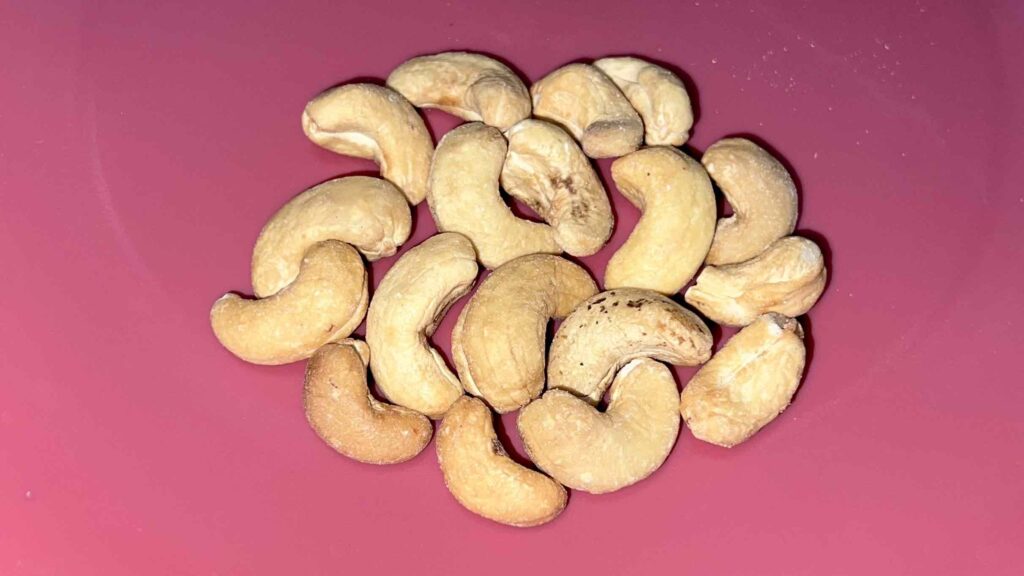
Cashews are not only creamy and satisfying, they’re also loaded with copper. In addition, cashews support energy by promoting iron absorption and assisting in enzyme function. They’re also rich in good fats that keep your metabolism humming. On ways to consume them, need I say a thing? Snack on roasted cashews, add them to granola or trail mixes, or use cashew butter as a spread. The possibilities are endless.
6. Mushrooms
Some types of mushrooms are great sources of plant-based copper. For instance, one cup of cooked shiitake mushrooms contains almost 100% of your daily copper needs. Mushrooms also contain antioxidants that reduce oxidative stress, which can drain energy.
7. Almonds
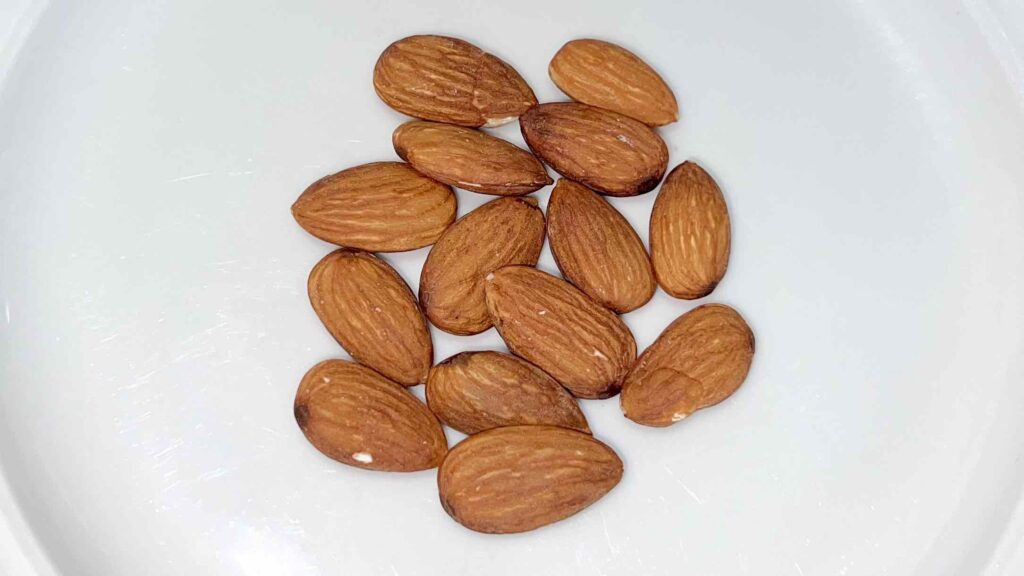
Another copper-rich nut, almonds offer a noteworthy amount of copper per ounce. While not as rich as cashews, they’re still a valuable contributor to your daily intake. Almonds are also a great source of vitamin E, magnesium, and protein, all of which are involved in energy metabolism and fatigue reduction. Enjoy almonds raw, roasted, or as almond butter.
8. Chickpeas
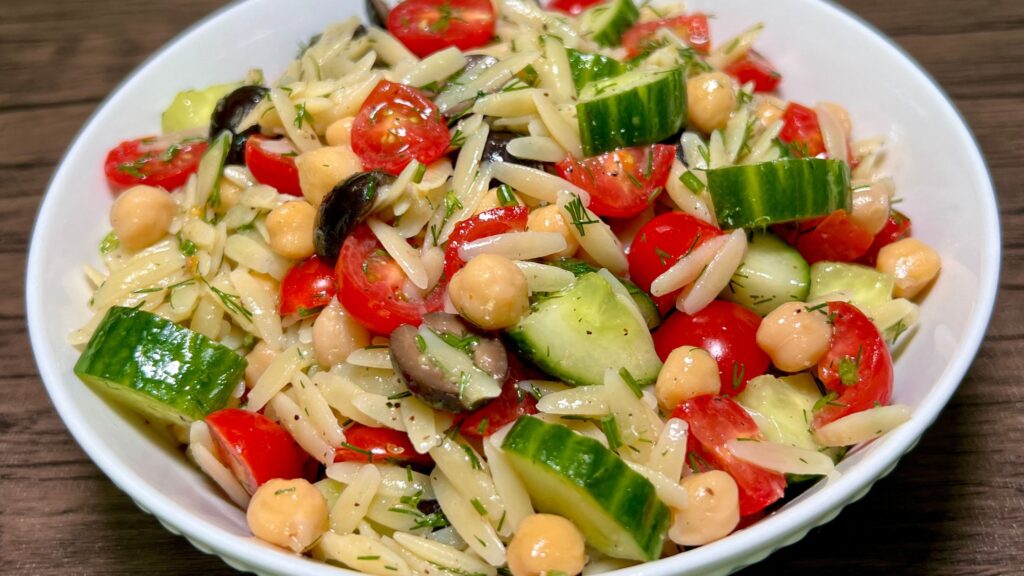
Legumes like chickpeas are budget-friendly and nutrient-rich. One cup of cooked chickpeas contains more than half of your daily copper needs. Chickpeas also support energy by providing complex carbs, protein, and minerals that fuel your body for hours. You can use chickpeas in salads, soups, or curries, or simply roast them for a crunchy snack. Of course, hummus is another delicious and popular way to get your chickpea fix.
9. Kale
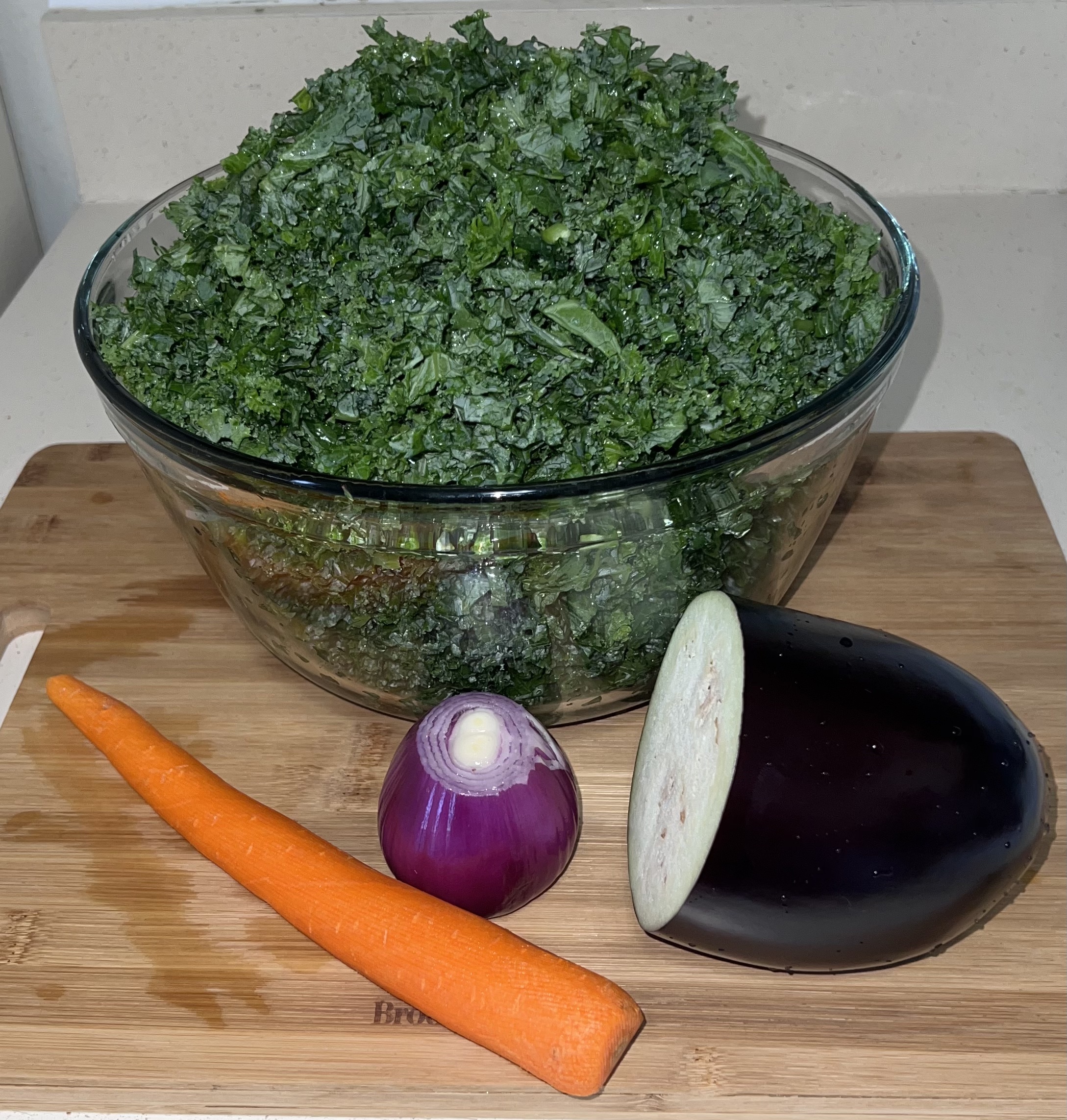
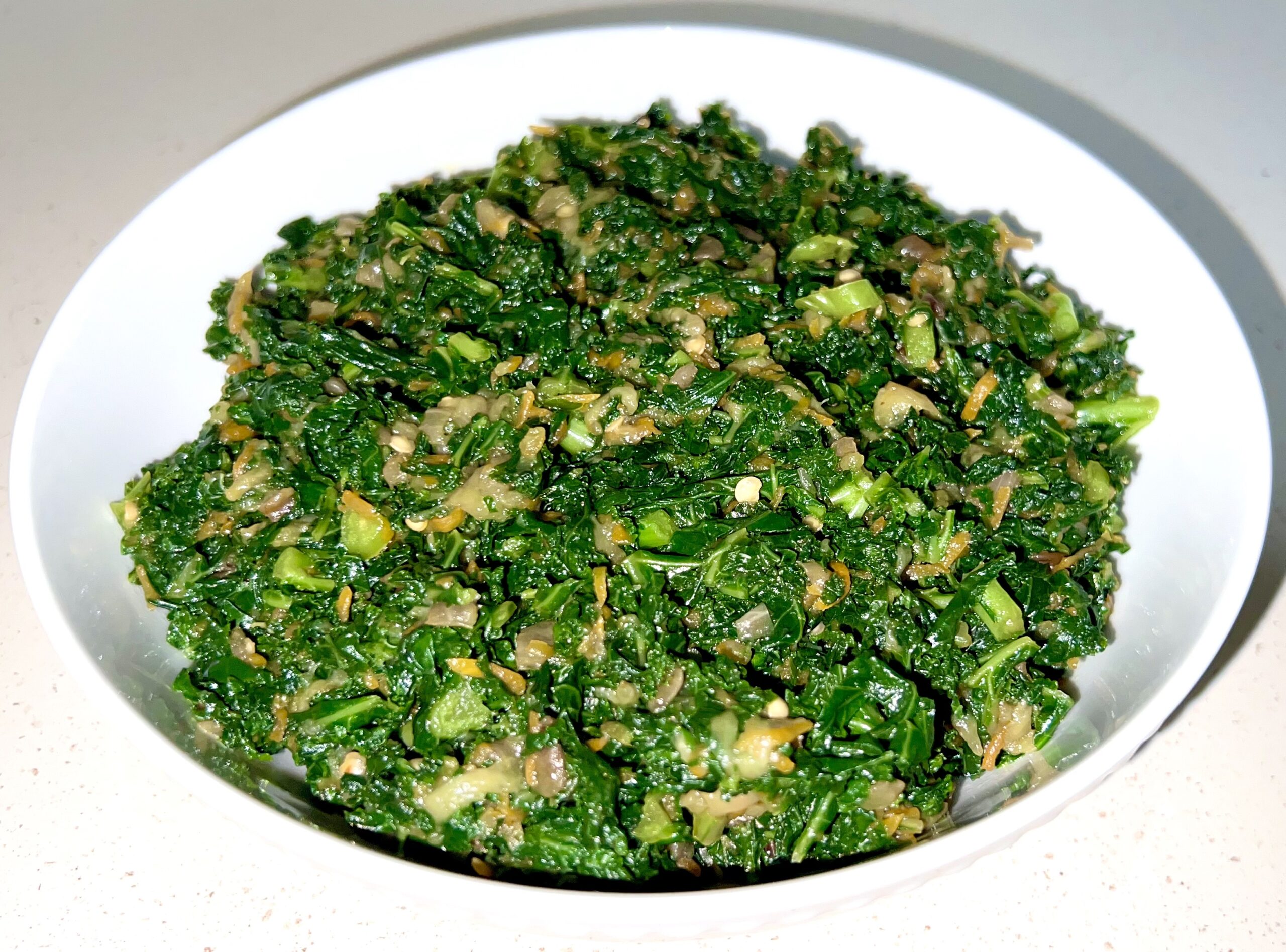
This leafy green may be more famous for its calcium and fiber, but kale also contains a good amount of copper. Kale also supports detoxification, iron metabolism, and antioxidant protection, all important for sustained energy and a fast-burning metabolism. I have countless kale recipes both on this blog and on my YouTube channel, including sauteed kale, kale with eggplants and carrots, and kale with beef. If you love kale like me (and even if you hate kale with a passion), I highly recommend these delicious recipes, which might get you eating more (and enjoying) kale than you had ever imagined possible.
10. Quinoa
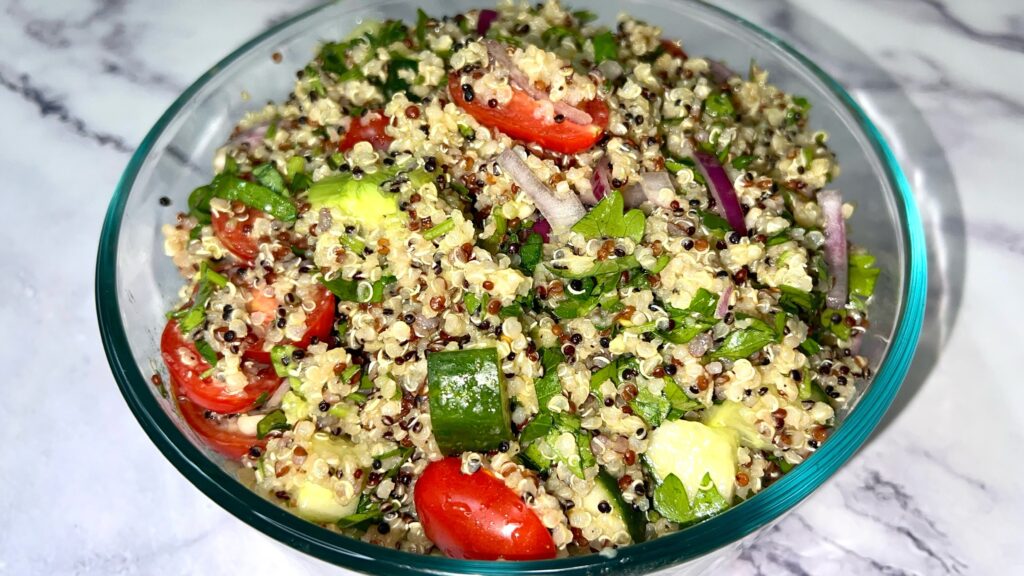
This ancient grain is a complete protein and a decent source of copper. Quinoa provides a solid balance of carbs, protein, and minerals, helping to maintain blood sugar and reduce energy crashes. Here’s a link to my favorite quinoa salad recipe. You can also use it in grain bowls or as a side dish with roasted veggies and lean proteins.
Conclusion
Copper might not get the same spotlight as iron or calcium, but its role in energy production, metabolism, and overall vitality is just as crucial. It helps your body absorb iron, fuels your cells with energy, and does a lot more just quietly. By incorporating copper-rich foods like liver, oysters, dark chocolate, nuts, seeds, legumes, and leafy greens into your daily meals, you can naturally support your body’s energy production and metabolic efficiency.