This post may contain affiliate links, which means I may receive a commission from purchases made through the links.
Fiber is your best friend when it comes to keeping your digestive system in top shape. Health experts note that it helps keep bowel movements regular, promotes the growth of beneficial bacteria in the gut, lowers cholesterol, and even helps stabilize blood sugar levels. Depending on your regular diet, you may or may not be getting enough fiber. Women need about 25 grams of fiber per day, while men should aim for 38 grams, yet studies show that the average fiber intake is far below that for both groups. Looking at all the ‘good stuff’ it does to our bodies, it is worthwhile to review what specific foods will get us packing in enough fiber daily. That’s my goal with this blog post – to share with you a list of the top 10 high fiber foods that will keep your digestive system healthier and stronger.
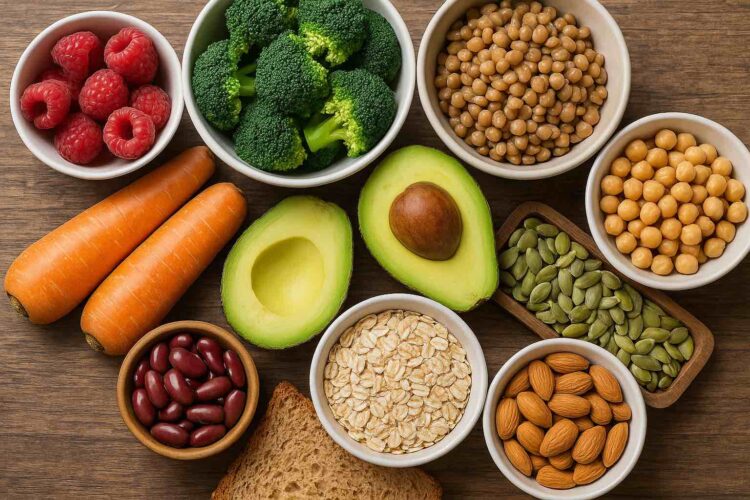
The foods rich in fiber are not complicated foods by any means. You’ll be surprised to find out that it is the everyday foods – readily available in your local grocery store – at an affordable price, that are fiber-packed! These foods include fruits, vegetables, whole grains, legumes, nuts, and seeds. Of course, not all fruits, vegetables, or grains are made equal; you’ll find higher-fiber and lower-fiber foods in each of these categories. So, in this list that I’ve curated, I’ve selected the top foods from all categories so you can easily mix and match your foods as you nourish your body.
These top ten high-fiber foods are ranked from the highest to the lowest in fiber content. I’ve also included overviews of their full nutritional profiles beyond fiber, just to point out what other nutritional benefits you’ll be getting from eating these foods, which could help in making better informed decisions.
Disclaimer: Please note that this article is a result of my personal research and that it is for informational purposes only. For medical advice or diagnosis, consult a professional.
Related Articles
- Top 10 Omega-3 rich foods for brain and heart health.
- Top 10 magnesium-rich foods for better sleep and relaxation.
- Top 10 foods rich in vitamin K for better blood clotting and bone health.
- Top 10 Iodine-rich foods for a healthy thyroid.
- Top 20 calcium-packed foods for strong bones.
- Top 20 iron-rich foods to boost your energy levels.
1. Chia Seeds
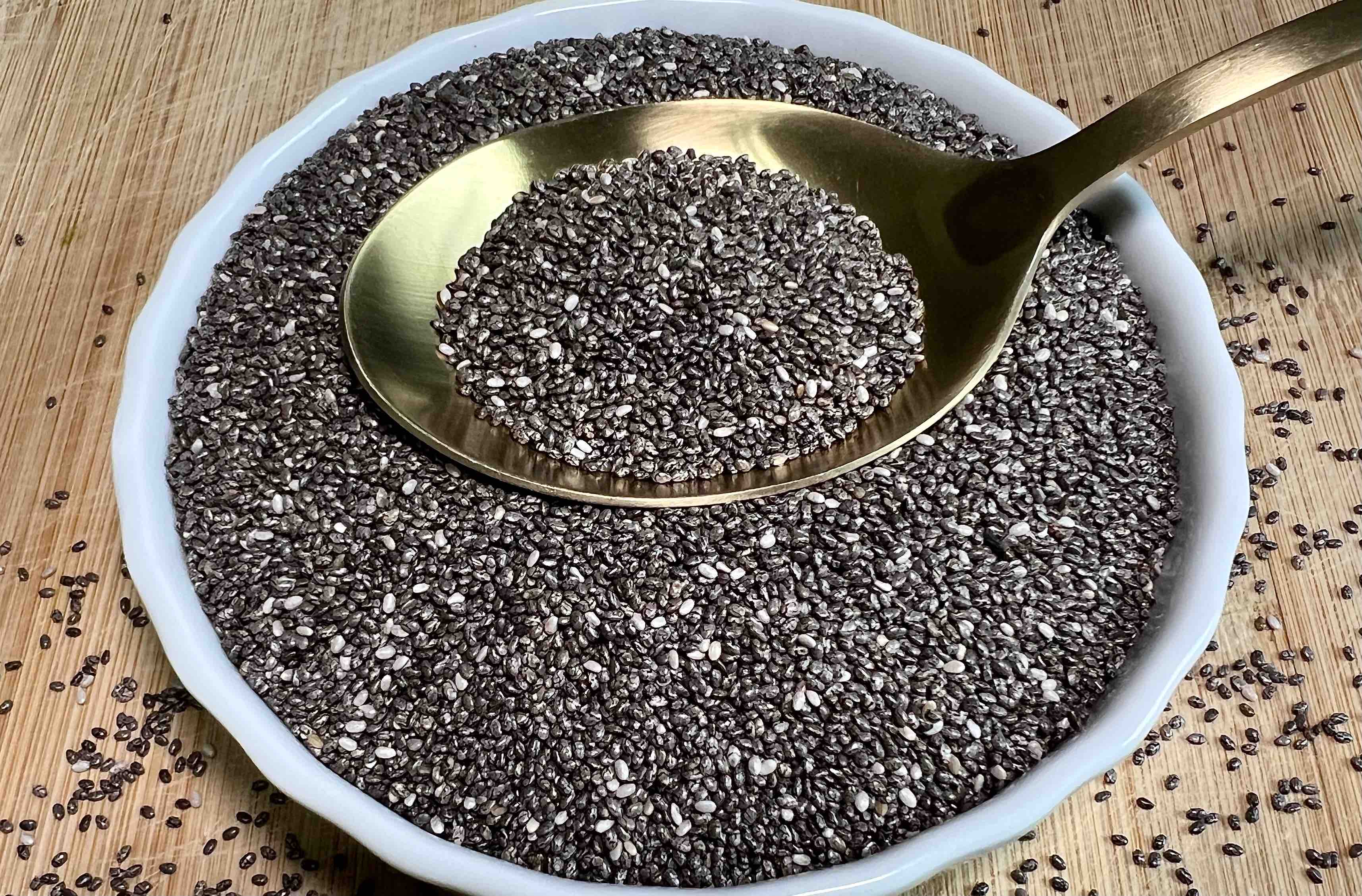
Chia seeds are one of the most concentrated sources of dietary fiber you can find. Just one ounce (about two tablespoons) provides a whopping 10 grams of mostly soluble fiber, which forms a gel-like substance in your stomach to slow digestion and support gut health. In addition to fiber, chia seeds are rich in plant-based omega-3 fatty acids, particularly ALA (alpha-linolenic acid), which supports heart and brain health. They also contain about 4.7 grams of protein per ounce, along with essential minerals like calcium, magnesium, and phosphorus. Thanks to their mild flavor and impressive nutrient profile, chia seeds are easy to incorporate into both sweet and savory meals.
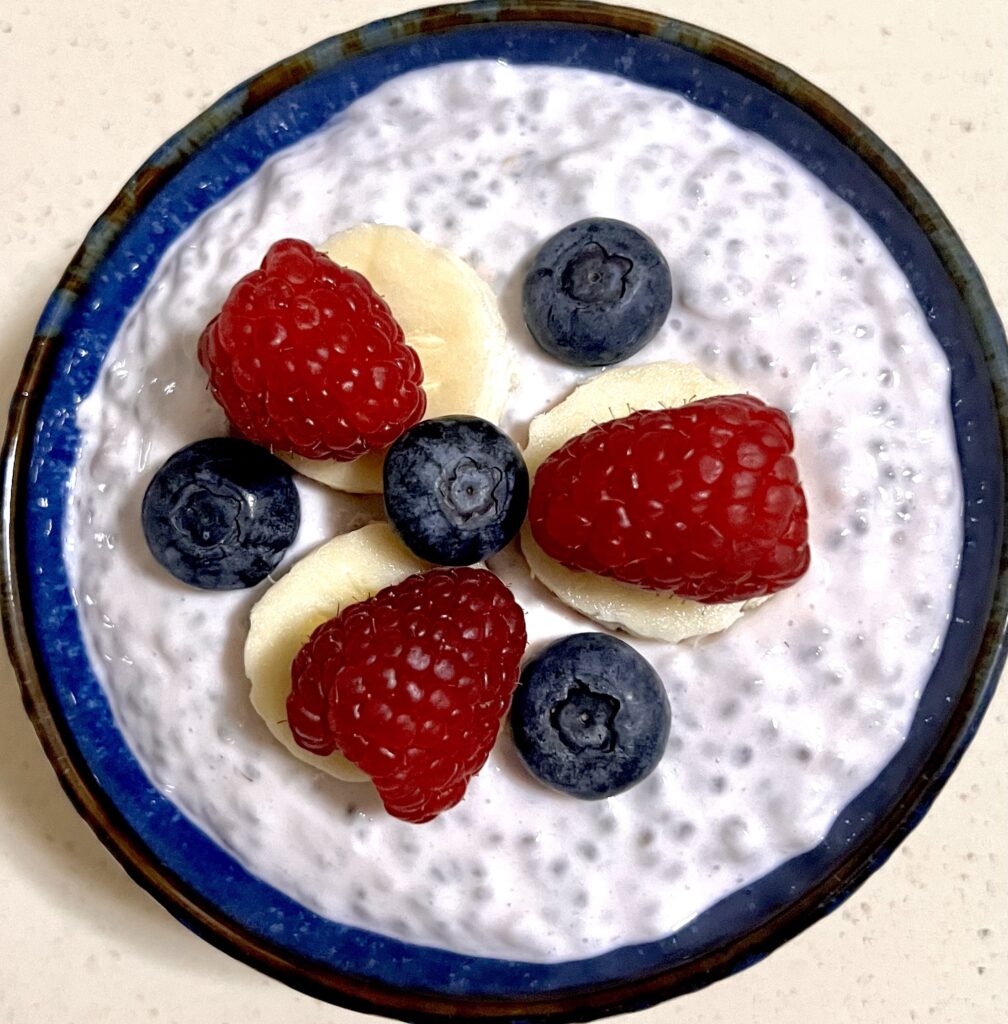
How to best enjoy chia seeds: Make chia pudding by soaking chia seeds in Greek yogurt and/or milk overnight. In the morning, serve it into a bowl and top with fresh berries and fruit. Yummy and filling. Here’s my simple recipe for overnight chia seed pudding with Greek yogurt.
2. Split Peas
Split peas, known as Chana Dal in Indian cuisine, are incredibly fiber-rich, offering over 16 grams of fiber in a single cooked cup. They’re particularly high in soluble fiber, which helps lower LDL (bad) cholesterol and supports stable blood sugar levels. Nutritionally, split peas are an outstanding source of plant protein, providing around 16 grams per cup. They also offer important nutrients like iron, potassium, folate, and B vitamins, all of which support heart health, energy production, and red blood cell formation. Their mild, earthy flavor makes them perfect for dips, stews, masalas, and much more.
How to best enjoy split peas: Make a traditional split pea soup, a stew, a thick chana dal, or blend the peas into pureed dips similar to hummus.
3. Lentils
Lentils offer over 15 grams of fiber per cup. They promote both regularity and the growth of beneficial gut bacteria. Lentils are a complete nutritional package, beyond their high fiber content. They offer about 18 grams of protein, making them one of the best plant-based protein sources. They’re also loaded with folate, which supports brain and cell health, iron, magnesium, and polyphenols, which act as antioxidants in the body. Lentils are easy to cook, budget-friendly, and adapt well to a wide variety of cuisines, from soups to stews and salads.
How to best enjoy lentils: Try my creamy lentil stew recipe, add them to a grain bowl, or explore other recipes like lentil curries.

4. Black Beans
Black beans are another fiber-filled legume, delivering about 15 grams per cup. They offer a balanced mix of soluble and insoluble fiber, which helps regulate digestion and cholesterol. Black beans are also rich in plant protein (about 15 grams per cup), along with iron, magnesium, potassium, and folate. Their dark color comes from anthocyanins, which are antioxidants that may support heart and brain health. Thanks to their creamy texture and mild taste, black beans are incredibly versatile in the kitchen.
How to best enjoy black beans: Add them to burrito bowls, tacos, soups, and salads.
5. Avocados
Avocados are not only a great source of fiber – around 10 grams per cup – they also offer a unique blend of both soluble and insoluble fiber, which helps promote satiety and gut health. Unlike most high-fiber foods, avocados are also rich in healthy fats, particularly monounsaturated fats that support heart health and reduce inflammation. Nutritionally, they provide an impressive mix of potassium, vitamin E, vitamin K, and folate. Their creamy texture and subtle flavor make them a favorite in countless dishes, both savory and sweet.
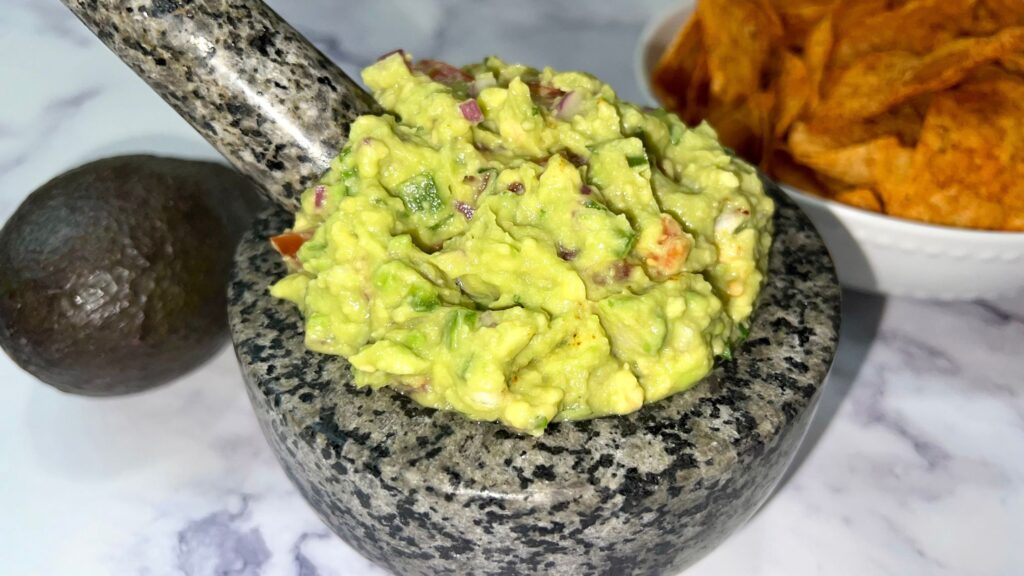
How to best enjoy avocado: A creamy guacamole is arguably the best way to enjoy avocado. Besides that, simply add avocado slices or cubes to toast, salads, or blend them into smoothies. There are countless ways to enjoy avocado, really.
More Related Articles
- Top 10 high-protein vegetables ranked.
- Top 20 seafood choices packed with protein.
- Top 15 high-protein meat alternatives. Plant-based protein sources.
- Top 20 legumes with the highest protein content ranked.
- Top 20 meats with the highest protein content ranked.
- Top 15 high-protein breakfast ideas to make at home.
6. Raspberries
Among fruits, raspberries stand out for their exceptionally high fiber content, delivering around 8 grams per cup. The fiber is mostly insoluble, which adds bulk to your stool and keeps things moving through your digestive tract. Raspberries are also rich in vitamin C, which supports the immune system, and manganese, which plays a role in bone health. Their vibrant color comes from anthocyanins, potent antioxidants that help fight inflammation and protect cells from oxidative stress.
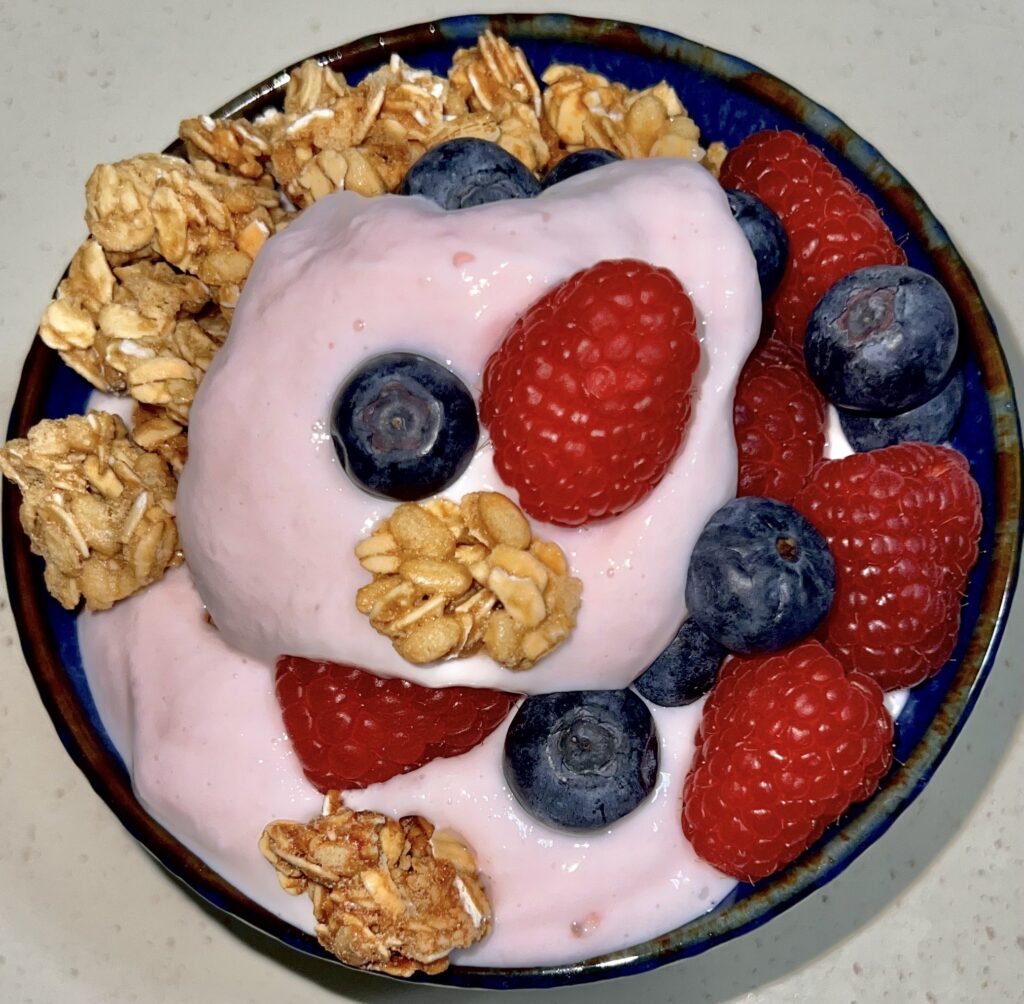
How to best enjoy raspberries: Remember that chia seed pudding we talked about earlier? Raspberries are one of the best toppings for it. Another way is to add fresh raspberries to granola and yogurt bowls for a healthy, no-cook breakfast. You could also top your cereal bowl with them, throw them into smoothies, fruit salads, or enjoy them as a snack on their own. Possibilities are endless.
7. Artichokes
Artichokes are one of the highest-fiber vegetables, with nearly 7 grams of fiber in a medium-sized globe. They’re particularly known for their content of inulin, a prebiotic fiber that feeds the beneficial bacteria in your gut. Artichokes also provide a good dose of vitamin C, magnesium, folate, and antioxidants like cynarin, which may support liver health and digestion. Though they may look intimidating to prepare, artichokes are incredibly flavorful and satisfying when cooked properly.
How to best enjoy artichokes: Enjoy them in steamed form with dips, roasted in pasta or pizza, or blended into dips like the popular spinach-artichoke dip.
8. Pears
Pears are juicy, refreshing, and fiber-rich, especially when eaten with the skin on. One medium pear offers around 5.5 grams of fiber, most of which is insoluble, helping to bulk up stool and prevent constipation. Pears also contain vitamin C, potassium, copper, and polyphenol antioxidants, which may have anti-inflammatory and heart-protective properties. Their high water content adds to their hydrating effect, which is a bonus for digestive health.
How to best enjoy pears: In green salads, as a topping for oatmeal, in smoothies, baked goods, or simply fresh.
9. Broccoli
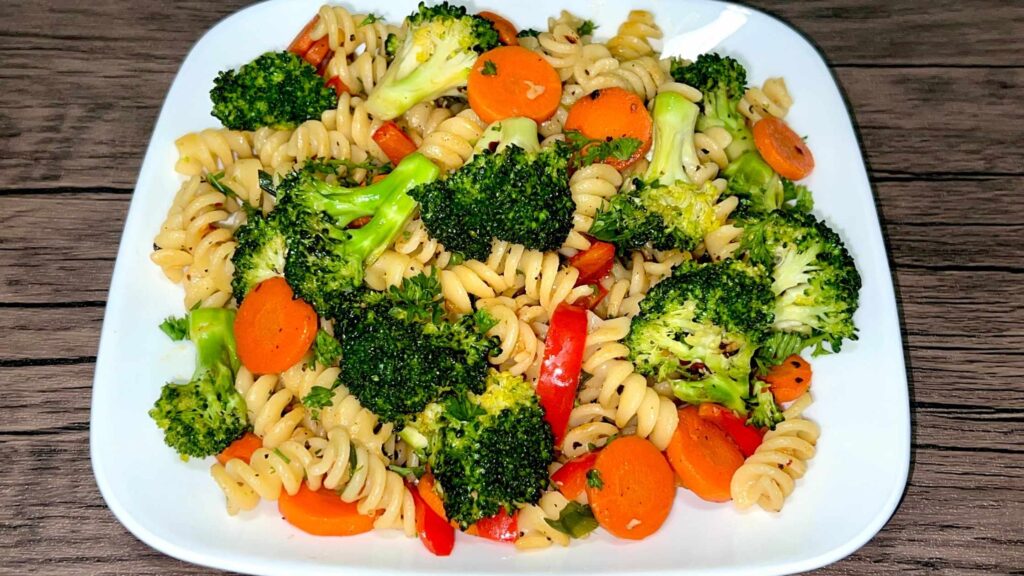
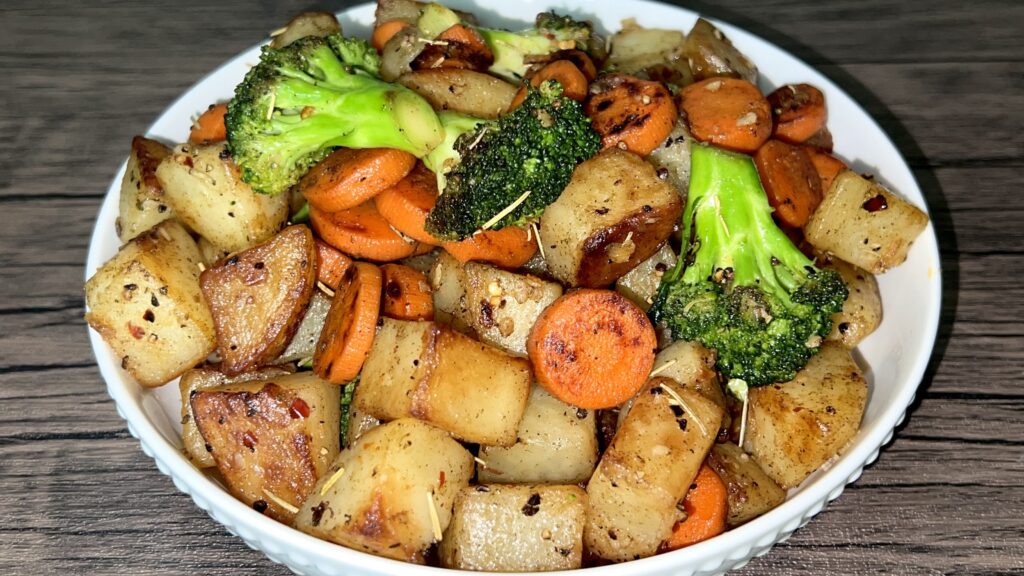
Broccoli is a cruciferous vegetable that’s excellent for your gut. A cup of cooked broccoli contains around 5 grams of insoluble fiber, which supports bowel regularity. It’s also rich in vitamin C, vitamin K, folate, and compounds like sulforaphane, which is said to have cancer-protective effects. The fiber in broccoli also acts as a food source for gut microbes, supporting a balanced microbiome. It’s low in calories but high in nutrients, making it a top choice for healthy eating.
How to best enjoy broccoli: Broccoli is one of the most versatile foods. It can go into simple, steamed side dishes, roasted veggie trays, stir-fries, or soups. I’ve got countless, awesome broccoli recipes on this blog to prove just that:
10. Oats
Oats may be humble, but they are one of the most effective foods for digestive and heart health. A cup of cooked oats offers about 4 grams of fiber, much of it in the form of beta-glucan, a type of soluble fiber that helps lower cholesterol and supports a healthy gut lining. Oats are also a good source of plant protein, iron, magnesium, and slow-digesting carbohydrates that help keep energy levels steady.
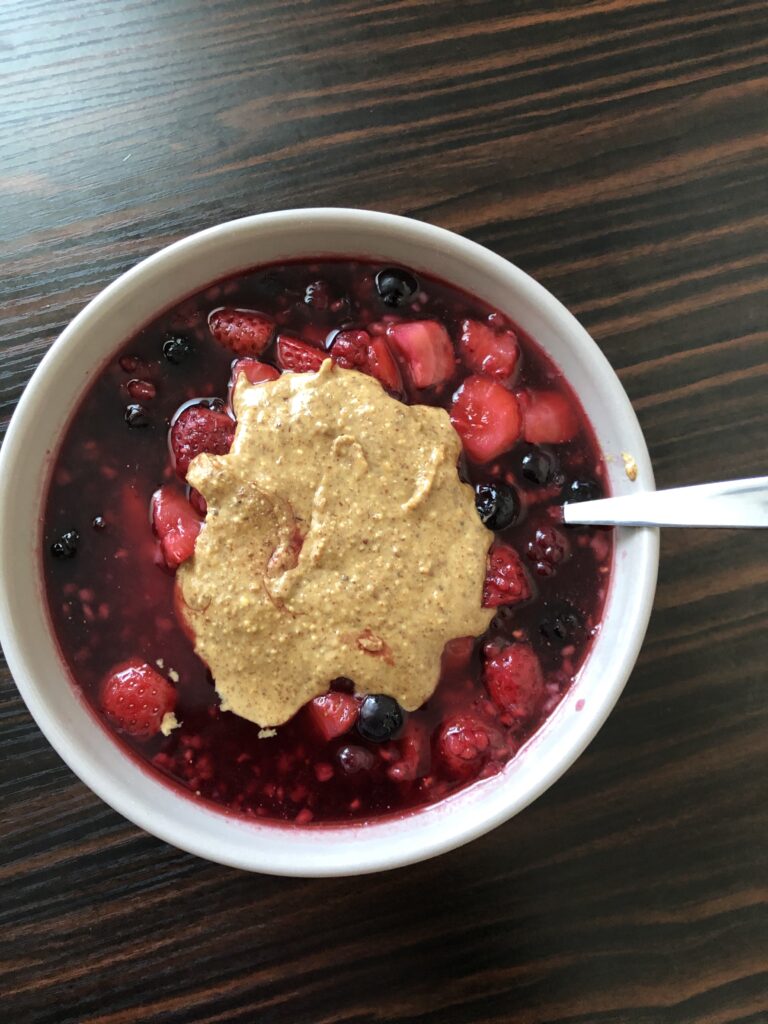
How to best enjoy oats: Make a classic oatmeal bowl like this vegetarian oatmeal bowl with berries and nut butter, make overnight oats by soaking them in milk, add them to muffin recipes, or use them to make homemade granola.
How to Increase Your Fiber Intake Safely
While fiber is excellent for your digestive system, increasing it too quickly can lead to bloating or discomfort. The best approach is to add fiber to your diet gradually over a few days or weeks, and always drink plenty of water to help fiber move through your system smoothly. Aim for a mix of soluble and insoluble fiber, and get your fiber from a variety of whole food sources – from fruits to vegetables, legumes, and nuts – to nourish a diverse gut microbiome.
Conclusion
These top ten high-fiber foods do not just offer you fiber; they’re packed with several other essential nutrients that, together, support heart health, blood sugar balance, and long-term, overall well-being. By incorporating a few of these into your daily routine and making sure to switch and balance them appropriately, you’re giving your gut and your whole body the care it deserves.