This post may contain affiliate links, which means I may receive a commission from purchases made through the links.
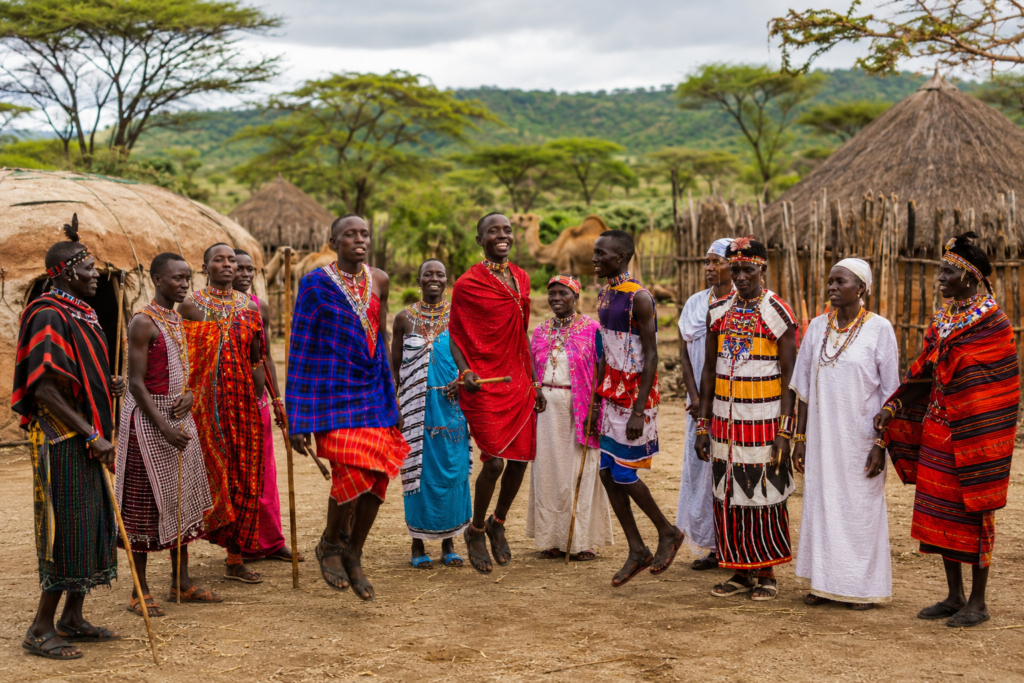
Kenya is globally known for its incredible wildlife, breathtaking landscapes, and beautiful beaches, but one of its greatest treasures is its rich cultural diversity. The country is home to more than 40 ethnic communities, each with unique traditions, languages, dances, food, architecture, clothing, and ways of life. While modern cities continue to grow, many communities across Kenya have preserved their traditional lifestyles through cultural villages that welcome visitors from around the world. Visiting cultural villages in Kenya offers travelers an opportunity to experience authentic local traditions, interact with indigenous communities, learn ancient customs, and appreciate the country’s deep cultural heritage. These villages are more than tourist attractions. They are living museums where culture, history, and identity continue to thrive. Here are some of the best cultural villages you can visit in Kenya.
1. Bomas of Kenya
Located in Nairobi, just a few kilometers from the city center, Bomas of Kenya is one of the country’s most famous cultural attractions. Established to preserve and promote Kenya’s diverse cultures, the center showcases traditional homesteads, dances, music, crafts, and lifestyles from different ethnic communities across the country. The word “Bomas” means “homesteads” in Swahili, and visitors can walk through replicas of traditional homes belonging to communities such as the Kikuyu, Luo, Kalenjin, Maasai, Luhya, Mijikenda, and Turkana. Each homestead is designed using traditional architecture and materials unique to that community. One of the highlights of visiting Bomas of Kenya is the live cultural performances. Traditional dancers dressed in colorful attire perform energetic songs, drumming, storytelling, and acrobatic displays that reflect Kenya’s rich heritage. Visitors can also enjoy local crafts, food, and educational exhibits about Kenyan traditions.
Because of its location in Nairobi, Bomas of Kenya is ideal for travelers who want to experience multiple Kenyan cultures in one place.
2. Maasai Cultural Villages
The Maasai people are among the most recognized African communities because of their colorful clothing, beadwork, jumping dances, and strong connection to cattle and wildlife. Maasai cultural villages, often called “Manyattas,” can be visited in areas around Maasai Mara, Amboseli, and Kajiado County. A visit to a Maasai village allows travelers to experience traditional Maasai life firsthand. Visitors are welcomed with songs and dances performed by warriors dressed in bright red shukas. The famous jumping dance, known as “Adumu,” is one of the most exciting cultural experiences for tourists. Inside the village, guests can tour traditional mud houses built by Maasai women, learn about cattle keeping, traditional medicine, bead-making, and Maasai customs. Elders often share stories about the community’s history, ceremonies, and relationship with nature. The villages also provide opportunities to purchase handmade jewelry, sandals, spears, and colorful beadwork directly from local artisans, helping support the community economically.
3. Mijikenda Kaya Villages
Kaya Kinondo Sacred Forest. Along Kenya’s coast, the Mijikenda communities have preserved their traditions through sacred forest settlements known as “Kayas.” These villages and forests hold deep spiritual and historical significance for the Mijikenda people. One of the best-known cultural sites is Kaya Kinondo Sacred Forest in Kwale County near Diani Beach. Recognized as a UNESCO World Heritage Site, the forest offers visitors a chance to learn about Mijikenda traditions, spirituality, and environmental conservation. Guided tours introduce visitors to sacred sites, traditional rituals, medicinal plants, and community customs. Visitors are often required to wear traditional wraps called “kikoy” before entering certain sacred areas as a sign of respect. The experience combines culture, spirituality, and nature, making it one of Kenya’s most unique cultural tourism destinations.
4. Turkana Cultural Villages
Turkana County in northern Kenya is home to the Turkana people, a semi-nomadic community known for surviving in one of Kenya’s harshest environments. Visiting a Turkana cultural village offers insight into a lifestyle shaped by resilience, livestock keeping, and desert survival. Turkana villages feature traditional dome-shaped huts made from sticks, animal hides, and palm leaves. Visitors can learn about traditional fishing practices near Lake Turkana, camel and goat herding, traditional dress, and Turkana music and dances. The Turkana people are famous for elaborate beadwork and colorful ornaments worn by both men and women. Guests often have opportunities to participate in storytelling sessions and witness cultural ceremonies. The dramatic landscapes of northern Kenya, combined with the unique traditions of the Turkana people, create a truly unforgettable cultural experience.
5. Luo Cultural Villages
The Luo community mainly lives around the Lake Victoria region in western Kenya. Several cultural villages near Kisumu offer visitors the chance to experience Luo traditions, food, music, and fishing culture. Luo cultural experiences often include traditional dances accompanied by drums and nyatiti music, storytelling sessions, and demonstrations of fishing techniques used on Lake Victoria. Visitors can also tour traditional Luo homesteads and learn about family structures, ceremonies, and community leadership systems. One of the most exciting parts of visiting Luo villages is tasting local cuisine, especially fresh fish dishes such as tilapia served with ugali and traditional vegetables. The warmth and hospitality of the Luo people make cultural visits in western Kenya especially memorable.
6. Samburu Cultural Villages
The Samburu people are closely related to the Maasai and are known for their colorful attire, beadwork, and pastoral lifestyle. Samburu cultural villages are mainly found in northern Kenya near Samburu National Reserve. Visitors are welcomed with traditional dances, songs, and storytelling ceremonies. The Samburu people proudly preserve customs involving livestock keeping, warrior traditions, marriage ceremonies, and bead-making. Traditional Samburu houses are built using sticks, mud, and animal hides. Guests can interact with community members, learn about daily life, and purchase handcrafted jewelry made using bright beads and natural materials. The nearby wildlife reserves also make Samburu villages ideal for combining safari adventures with cultural tourism.
7. Luhya Cultural Villages
The Luhya community of western Kenya is famous for vibrant dances, traditional farming, and rich oral traditions. Cultural villages in Kakamega County allow visitors to experience Luhya heritage through music, dance, storytelling, and food. One popular cultural activity is witnessing the traditional Isukuti dance, known for energetic drumming and fast-paced movements. The dance is recognized by UNESCO as an important cultural heritage tradition. Visitors can also explore traditional homesteads, learn about farming practices, and enjoy local dishes such as ingokho (traditional chicken) and ugali. The lush green landscapes of western Kenya provide a beautiful backdrop for cultural experiences in the region.
8. Swahili Cultural Villages
The Swahili culture along Kenya’s coast reflects centuries of interaction between African, Arab, Persian, and Indian communities. Lamu Old Town is one of the best places to experience authentic Swahili culture and architecture. Walking through the narrow streets of Lamu feels like traveling back in time. Traditional Swahili houses feature carved wooden doors, coral stone walls, and beautiful courtyards. Donkeys remain a major form of transport because the streets are too narrow for cars. Visitors can experience Swahili cuisine, dhow sailing trips, traditional poetry, music, and Islamic cultural practices. The annual Lamu Cultural Festival is especially popular for showcasing Swahili traditions through dances, donkey races, crafts, and food. The peaceful coastal atmosphere and historical significance make Lamu one of Kenya’s most fascinating cultural destinations.
9. Pokot Cultural Villages
The Pokot people of northwestern Kenya maintain strong traditional lifestyles centered around cattle keeping and community ceremonies. Visiting Pokot villages allows travelers to learn about indigenous customs, traditional dress, and cultural celebrations. The Pokot are known for traditional singing, dances, wrestling competitions, and elaborate beadwork. Visitors can observe how traditional homes are constructed and learn about local leadership systems and ceremonies. The rugged landscapes of West Pokot add to the authenticity of the cultural experience.
10. Elsamere Cultural and Historical Experience
Located near Lake Naivasha, Elsamere was once the home of Joy Adamson, famous for the book Born Free. Although primarily known for wildlife conservation history, the site also offers cultural experiences connected to Kenya’s colonial and conservation heritage. Visitors can explore beautiful gardens, historical exhibits, lakeside scenery, and educational programs about Kenyan wildlife and history. Traditional storytelling sessions and local crafts occasionally form part of the visitor experience. Elsamere combines culture, history, conservation, and relaxation in one unique destination.
Conclusion
Kenya’s cultural villages offer travelers a chance to go beyond wildlife safaris and beaches to discover the people, traditions, and histories that make the country unique. Each community provides a different perspective on Kenya’s rich heritage. Visiting these villages not only creates unforgettable experiences but also supports local communities through cultural tourism. Travelers gain deeper appreciation for Kenya’s diversity while helping preserve traditions that have been passed down for generations. For anyone seeking authentic travel experiences filled with learning, connection, music, food, storytelling, and culture, Kenya’s cultural villages are destinations worth exploring.