This post may contain affiliate links, which means I may receive a commission from purchases made through the links.
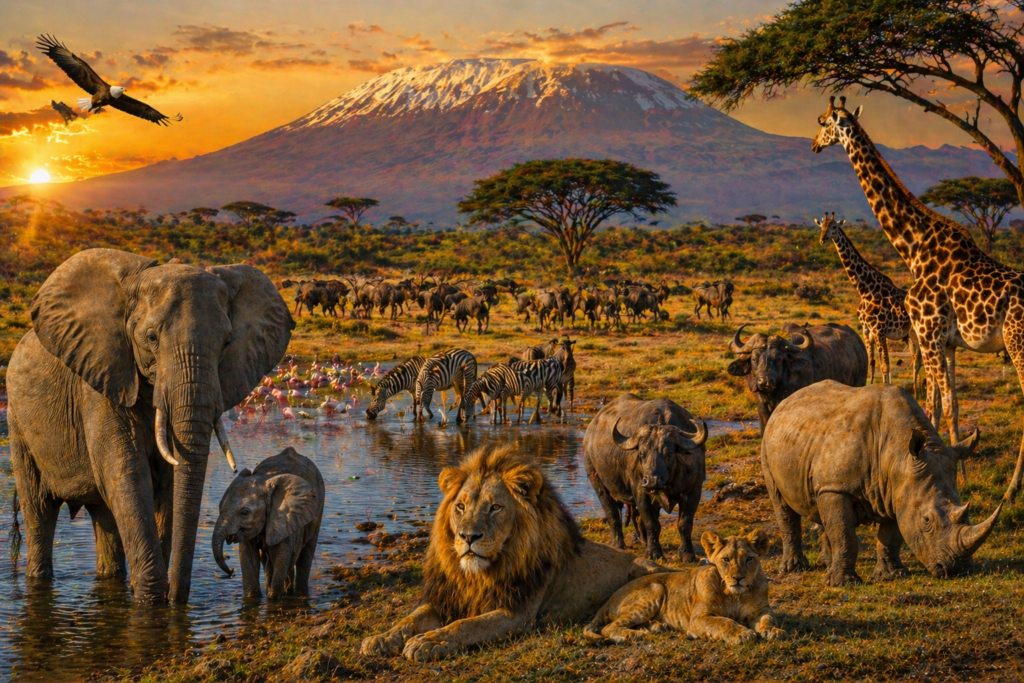
Kenya is often described as the heartbeat of African wildlife and for good reason. From the sweeping savannahs of the Maasai Mara National Reserve to the rugged wilderness of Tsavo National Park, the country is home to some of the most iconic species on Earth. Lions, elephants, rhinos, giraffes, and countless bird species roam these landscapes, drawing visitors from across the globe. But behind the beauty lies a constant struggle. Wildlife in Kenya faces threats from poaching, habitat loss, climate change, and human-wildlife conflict. The good news is that Kenya has become a global leader in conservation, with innovative efforts that are not only protecting wildlife but also empowering communities and reshaping the future of nature.
This is the story of how Kenya is fighting to protect its wild heritage.
The Role of Protected Areas
One of the most visible conservation strategies in Kenya is the establishment of national parks and reserves. These areas serve as safe havens protecting wildlife, shielding them from human encroachment and illegal activities. Iconic destinations like the Amboseli National Park and the Lake Nakuru National Park are not just tourist attractions. They are carefully managed ecosystems. Rangers patrol these parks, monitor animal populations, and ensure that habitats remain intact. In places like Lake Nakuru, conservation efforts have helped protect endangered species such as rhinos, turning the park into one of the best places in Kenya to see them. However, parks alone are not enough. Wildlife doesn’t recognize boundaries, and animals often migrate beyond these protected zones. This is where community-led conservation comes into play.
Community Conservancies: A Game Changer
Perhaps the most transformative conservation model in Kenya is the rise of community conservancies. In regions like the Laikipia Plateau and northern Kenya, local communities have set aside land specifically for wildlife conservation. Instead of viewing wildlife as a threat, communities are now partners in protecting it. Organizations such as the Northern Rangelands Trust have been instrumental in supporting these conservancies. They provide training, funding, and infrastructure, helping communities benefit directly from conservation through tourism and employment. This approach has been incredibly effective. It reduces human-wildlife conflict, creates jobs, and ensures that conservation efforts are sustainable in the long term.
Fighting Poaching and Illegal Wildlife Trade
Poaching has long been one of the biggest threats to Kenya’s wildlife, particularly elephants and rhinos. Demand for ivory and rhino horn once pushed these animals to the brink. Today, Kenya has taken a strong stand against poaching. The Kenya Wildlife Service (KWS) leads anti-poaching efforts, deploying well-trained rangers, surveillance technology, and intelligence networks to combat illegal activities. One of the most symbolic moments in Kenya’s conservation history was the burning of ivory stockpiles, a powerful message to the world that wildlife is worth more alive than dead. Thanks to these efforts, elephant populations in places like Amboseli National Park have stabilized, and rhino numbers are slowly recovering.
Technology in Conservation
Modern conservation in Kenya is not just about boots on the ground. It’s also about innovation. Technology is playing a growing role in protecting wildlife. GPS tracking collars are used to monitor animal movements, helping conservationists understand migration patterns and prevent conflict with humans. Drones are used to patrol large areas, while camera traps capture valuable data on elusive species. In some conservancies, real-time monitoring systems alert rangers to potential threats, allowing for rapid response. This blend of tradition and technology is making conservation more effective than ever before.
Addressing Human-Wildlife Conflict
As human populations grow, the boundaries between people and wildlife are increasingly blurred. Farmers may lose crops to elephants, while predators like lions sometimes attack livestock. To address this, conservationists are working closely with communities to find practical solutions. These include:
- Building predator-proof enclosures (bomas)
- Using beehive fences to deter elephants
- Compensation programs for losses
In areas surrounding the Maasai Mara National Reserve, such initiatives have helped reduce conflict and improve coexistence. The goal is simple: ensure that both people and wildlife can thrive side by side.
Conservation Through Tourism
Tourism is one of the biggest drivers of conservation in Kenya. When people visit parks like Samburu National Reserve or the Tsavo National Park, the revenue generated supports conservation efforts. Park fees fund ranger salaries, infrastructure, and community projects. Eco-tourism also raises awareness, giving visitors a deeper appreciation of wildlife and the importance of protecting it. Many lodges and camps now operate sustainably, using solar power, reducing waste, and supporting local communities. This ensures that tourism benefits both the environment and the people who live alongside it.
Protecting Marine Life
Kenya’s conservation efforts are not limited to land. Along the coast, marine parks like the Watamu Marine National Park protect coral reefs, sea turtles, and diverse marine ecosystems. These areas face threats from pollution, overfishing, and climate change. Conservation initiatives include coral restoration projects, community education, and sustainable fishing practices. Protecting marine life is crucial not just for biodiversity, but also for the livelihoods of coastal communities.
The Impact of Climate Change
Climate change is an emerging challenge that affects every aspect of conservation.Changing weather patterns can lead to droughts, reducing water and food availability for wildlife. In places like Tsavo National Park, prolonged dry periods can have devastating effects on animal populations.
Conservationists are adapting by:
- Creating water points
- Protecting migration corridors
- Promoting climate-resilient practices
These efforts aim to ensure that wildlife can survive in a changing environment.
Education and Awareness
At the heart of Kenya’s conservation success is education. Schools, community programs, and conservation organizations are working to teach the next generation about the value of wildlife. When people understand the importance of conservation, they are more likely to protect it. Initiatives that involve young people, such as wildlife clubs and conservation training are shaping future leaders who will continue this important work.
Conclusion
Kenya’s wildlife is one of its greatest treasures, but it doesn’t protect itself. Behind every elephant roaming the plains of Amboseli National Park or every rhino grazing in Lake Nakuru National Park, there is a network of people, policies, and passion working tirelessly to keep them safe. What makes Kenya’s conservation story so powerful is its balance between people and nature, tradition and innovation, protection and progress. The journey is far from over. Challenges remain, and the need for continued effort is greater than ever. But if there’s one thing Kenya has shown the world, it’s this: when communities, governments, and organizations come together, wildlife has a fighting chance. And that is something worth protecting for today, and for generations to come.