This post may contain affiliate links, which means I may receive a commission from purchases made through the links.
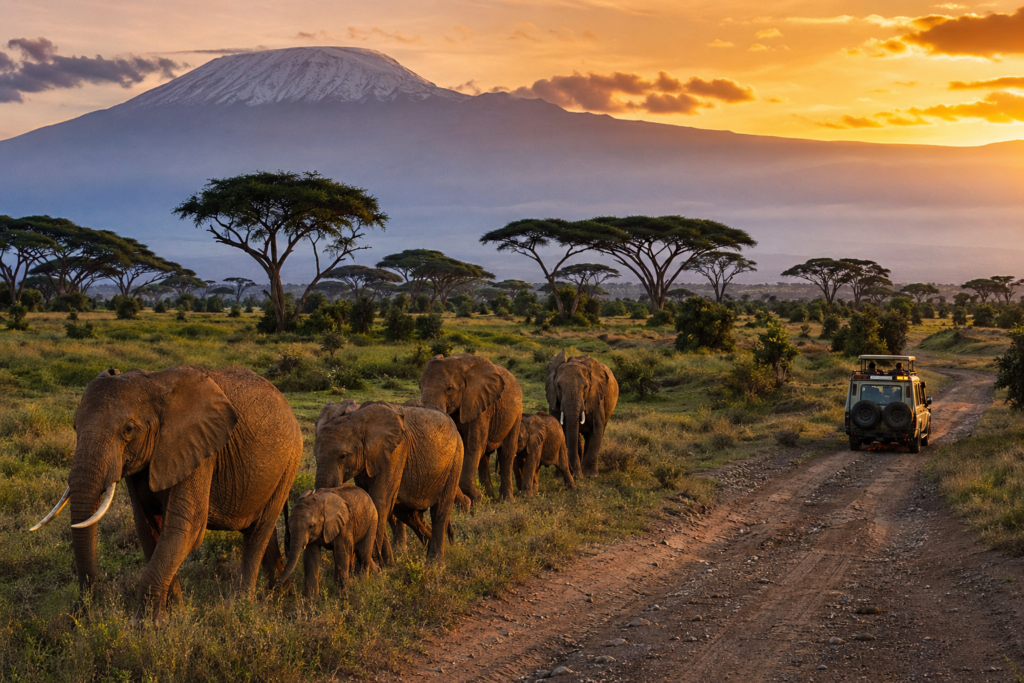
Kenya is one of those rare destinations that feels like several countries wrapped into one. From the sweeping savannahs of the Maasai Mara National Reserve to the white sandy shores of Diani Beach, and from the bustling streets of Nairobi to the snow-capped peaks of Mount Kenya, the country offers something for every kind of traveler. But timing your visit can make all the difference between a good trip and an unforgettable one. So, when exactly is the best time to visit Kenya? It depends on what you want to see, do, and experience. Let’s break it down in a way that helps you plan your perfect Kenyan adventure.
Understanding Kenya’s Climate
Kenya’s climate is generally pleasant throughout the year, thanks to its position along the equator. However, the weather is shaped more by altitude than latitude. Coastal areas tend to be hot and humid, while highland regions like Nairobi enjoy cooler temperatures.
The country has two main rainy seasons:
- Long rains: March to May
- Short rains: October to December
The dry seasons typically January to February and June to October are often considered the best times to visit. But even within these windows, each period offers something unique.
The Peak Season: June to October
If you’re looking for the classic “Kenya experience,” this is it. This period coincides with the dry season, when wildlife viewing is at its absolute best. Animals gather around water sources, vegetation is sparse, and visibility is excellent. This makes it easier to spot lions, elephants, giraffes, and more in iconic parks like the Amboseli National Park and the Tsavo National Park.
The Great Migration
One of the biggest highlights during this time is the Great Wildebeest Migration. Between July and October, millions of wildebeest and zebras cross from Tanzania’s Serengeti into Kenya’s Maasai Mara National Reserve. The dramatic river crossings often involving crocodiles are among the most spectacular wildlife events on Earth. If this is on your bucket list, then the best time to visit Kenya is between July and September is ideal.
Pros:
- Excellent wildlife viewing
- Minimal rainfall
- Perfect for safaris
Cons:
- Peak tourist season (higher prices and crowds)
- Popular parks can feel busy
The Shoulder Season: January to February
This short dry season is often overlooked but it shouldn’t be. January and February offer warm temperatures and clear skies, making them great months for both safaris and beach holidays. Wildlife is still easy to spot, and there are fewer tourists compared to the June–October peak. Bird watchers, in particular, will find this period rewarding, as migratory species are present in large numbers.
Pros:
- Fewer crowds
- Good wildlife viewing
- Ideal for photography (clear skies and great light)
Cons:
- Shorter window
- Can be quite hot, especially in lowland areas
The Green Season: March to May
This is the long rainy season and often considered the “off-season.” But dismissing it entirely would be a mistake. Yes, heavy rains can disrupt travel plans, especially in remote areas where roads become muddy and difficult to navigate. However, the landscape transforms into a lush, green paradise. Parks are quieter, prices drop significantly, and the scenery becomes incredibly photogenic.
Pros:
- Lower costs (lodges and flights)
- Fewer tourists
- Beautiful, green landscapes
Cons:
- Heavy rains can affect accessibility
- Wildlife can be harder to spot due to dense vegetation
If you don’t mind a bit of unpredictability and want a more peaceful, budget-friendly experience, this season has its charm.
The Short Rains: October to December
The short rains are less intense and more sporadic than the long rains. You might experience brief afternoon showers followed by sunshine. This period is a bit of a sweet spot, especially in November. The landscapes are fresh, wildlife is still active, and tourist numbers are relatively low.
Pros:
- Fewer crowds
- Lush scenery
- Good balance between cost and experience
Cons:
- Occasional rain
- Not as ideal for migration viewing
Best Time for a Beach Holiday
Kenya’s coastline along the Indian Ocean is stunning, with destinations like Diani Beach, Malindi, and Watamu offering turquoise waters and palm-lined shores. The best time for a beach holiday is:
- January to March (hot and sunny)
- July to October (cooler but still pleasant)
Avoid April and May if possible, as heavy rains can limit beach activities.
Best Time for Hiking and Adventure
If you’re planning to climb Mount Kenya or explore the Great Rift Valley, timing matters. The best months for hiking are:
- January to February
- June to October
These periods offer clear skies and safer trekking conditions.
Best Time for Cultural Experiences
Kenya’s cultural richness is just as compelling as its wildlife. Visiting local communities, attending festivals, or exploring historical towns like Lamu can be done year-round. However, dry seasons are generally more convenient for travel and participation in outdoor cultural events.
So, When Should You Go?
- For safaris and wildlife: June to October
- For fewer crowds and good weather: January to February
- For budget travel and scenery: March to May
- For a balanced experience: October to December
But the real answer depends on your priorities. Kenya doesn’t have a single “perfect” season. It has multiple great ones, each offering a different version of the country.
Conclusion
Kenya is not a destination you visit just once. It’s one you return to, again and again, discovering something new each time. Whether it’s watching a lion stalk its prey in the Maasai Mara National Reserve, feeling the ocean breeze at Diani Beach, or sipping coffee in the cool highlands of Nairobi, every moment feels alive. The best time to visit Kenya isn’t just about weather or wildlife. It’s about what kind of experience you want to have. Plan around your interests, stay flexible, and you’ll find that Kenya has a way of exceeding expectations no matter when you go.