This post may contain affiliate links, which means I may receive a commission from purchases made through the links.
Kenya’s coastline is not only famous for its stunning beaches and warm Indian Ocean waters but also for its deep and fascinating history. For centuries, the Kenyan coast served as a major trading hub connecting Africa with the Middle East, Asia, and Europe. Arab traders, Persian merchants, Portuguese explorers, and later European colonizers all left their mark on the region. Today, this rich past is preserved in historic sites scattered along the coast, offering visitors a chance to step back in time and experience the legacy of the Swahili civilization. From ancient ruins hidden in forests to centuries-old forts overlooking the ocean, coastal Kenya is filled with remarkable historical landmarks. These sites tell stories of trade, culture, architecture, and the lives of the people who shaped the region. Here are ten beautiful historic sites found along the Kenyan coast that every traveler and history enthusiast should consider visiting.
1. Fort Jesus
One of the most iconic historical landmarks in Coastal Kenya is Fort Jesus, located in the coastal city of Mombasa. Built by the Portuguese in 1593, the fort was designed to protect their trading interests along the Indian Ocean. Fort Jesus has witnessed numerous battles between the Portuguese, the Omani Arabs, and later the British, making it one of the most historically significant structures in East Africa. The architecture of the fort reflects Renaissance military design, and its strategic location allowed the Portuguese to control the entrance to Mombasa’s harbor. Today, Fort Jesus functions as a museum where visitors can explore ancient weapons, pottery, and artifacts that reveal the history of trade and cultural exchange along the coast. Its massive coral stone walls and ocean views make it both historically fascinating and visually stunning.
2. Gede Ruins
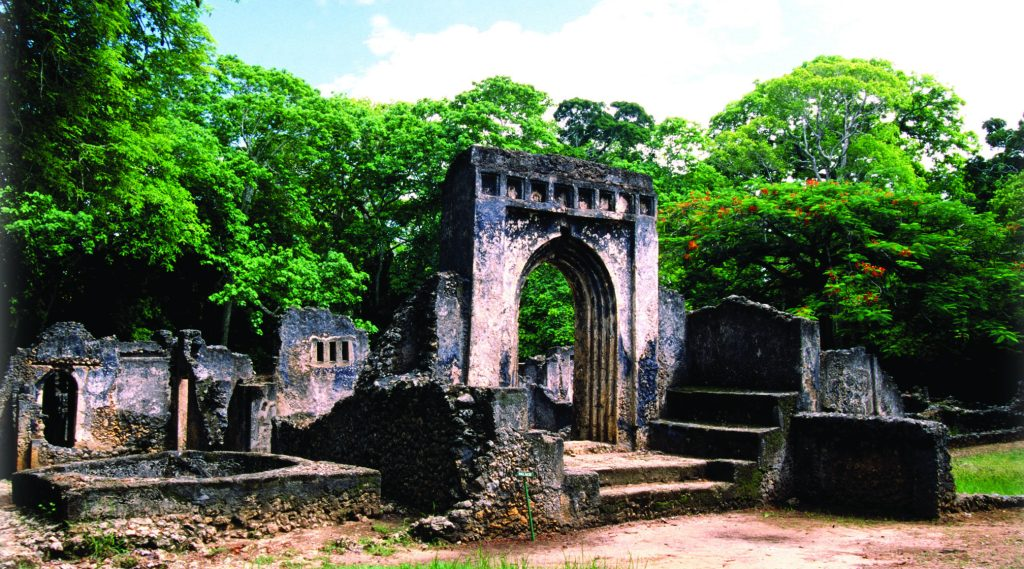
Hidden within a lush coastal forest near Watamu, the Gede Ruins are the remains of a mysterious medieval Swahili town believed to have thrived between the 12th and 17th centuries. The site includes the remains of mosques, houses, a palace, and stone walls that once protected the settlement. Archaeological discoveries at Gede have revealed Chinese porcelain, Persian glass, and other imported items, proving that the town was once part of a vast international trade network. Walking through the ruins today is a magical experience. The ancient stone structures are surrounded by tall trees and wildlife, giving visitors the feeling of exploring a lost city deep in the forest.
3. Lamu Old Town
Located on Lamu Island in Lamu, Lamu Old Town is the oldest continuously inhabited Swahili settlement in East Africa. The town dates back more than 700 years and is famous for its narrow streets, coral stone buildings, and intricately carved wooden doors. What makes Lamu unique is that cars are rarely used; transportation is mainly done by donkeys and traditional wooden boats called dhows. Visitors to Lamu Old Town can explore historic mosques, traditional Swahili houses, and bustling markets. The town also hosts cultural events such as the Lamu Cultural Festival, which celebrates the traditions of the Swahili people.
4. Vasco da Gama Pillar
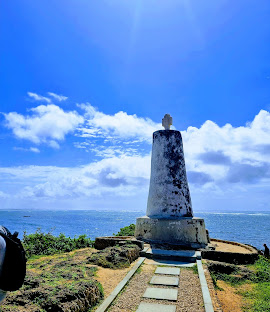
Standing proudly on a rocky shoreline in Malindi, the Vasco da Gama Pillar is one of the oldest European monuments in Africa. The pillar was erected in 1498 by Portuguese explorer Vasco da Gama during his historic voyage to India. It served as a navigational landmark for sailors traveling along coastal Kenya. Although simple in structure, the pillar represents an important moment in world history when European explorers began establishing sea routes connecting continents.
5. Takwa Ruins
The Takwa Ruins are located on Manda Island near Lamu and are believed to date back to the 15th and 16th centuries. This ancient Swahili town once thrived as a trading center before being mysteriously abandoned. The ruins include the remains of mosques, houses, and city walls made from coral stone. Archaeologists believe that Takwa was inhabited by wealthy traders who were involved in commerce across the Indian Ocean. Today, the quiet and remote location of the ruins makes them an intriguing destination for travelers interested in history and archaeology.
6. Jumba la Mtwana
Located north of Mombasa near Mtwapa, Jumba la Mtwana is another important archaeological site along the Kenyan coast. The site dates back to the 14th century and includes the remains of houses, mosques, tombs, and a well. Although the exact reasons for the town’s abandonment remain unknown, historians believe it was once a thriving Swahili settlement involved in regional trade. The ruins are set near the ocean, making the location both historically fascinating and incredibly scenic.
7. Shimoni Slave Caves
Located in the small coastal town of Shimoni, the Shimoni Slave Caves are a reminder of the tragic history of the East African slave trade. These natural coral caves were once used to hide enslaved Africans before they were transported by ship to markets in the Middle East and other regions. Today, the caves serve as a memorial and historical site where visitors can learn about the history of slavery along the East African coast.
8. Portuguese Chapel
The Portuguese Chapel in Malindi is believed to be one of the oldest Christian churches in East Africa. Built in the early 16th century, the chapel served Portuguese sailors and missionaries who traveled along the coast. Inside the chapel are old tombs believed to belong to early Portuguese settlers. Despite its small size, the chapel stands as an important symbol of the early interaction between Europeans and the Swahili coast.
9. Mnarani Ruins
The Mnarani Ruins are located near Kilifi and are believed to date back to the 14th century. The site includes mosques, houses, and tombs that once formed part of a thriving Swahili settlement. Visitors can also enjoy spectacular views of Kilifi Creek from the ruins. Today, Mnarani is a peaceful location where history and nature blend beautifully.
10. Pate Ruins
The Pate Ruins are located on Pate Island in the Lamu archipelago and represent the remains of one of the oldest Swahili towns along the East African coast. The town of Pate was once a powerful city-state known for its scholars, poets, and traders. The ruins include the remains of stone houses, mosques, and narrow streets that once formed a vibrant urban center. Although less visited than other historic sites, Pate offers an authentic and deeply historical experience for travelers willing to explore beyond the usual tourist routes.
Conclusion
The historic sites found along coastal Kenya reveal a fascinating story of trade, culture, and global connections that stretch back more than a thousand years. These landmarks reflect the rich heritage of the Swahili civilization and the many cultures that interacted along the Indian Ocean trade routes. From the towering walls of Fort Jesus to the mysterious forest-covered ruins of Gede and the timeless streets of Lamu Old Town, each site offers a unique glimpse into the past. For travelers interested in history, culture, and architecture, exploring the historic sites of coastal Kenya is an unforgettable journey into one of Africa’s most remarkable heritage regions.