This post may contain affiliate links, which means I may receive a commission from purchases made through the links.
East Africa is a region rich in culture, history, and tradition. Stretching across countries such as Kenya, Tanzania, Uganda, Rwanda, Burundi, and Ethiopia, the region is home to hundreds of ethnic communities, each with unique traditions expressed through language, food, music, and clothing. Traditional clothing in East Africa is more than just fabric stitched together. It is a symbol of identity, pride, social status, and cultural heritage. From colorful wraps worn during daily activities to elaborate garments reserved for ceremonies and celebrations, cultural clothing reflects the lifestyles and histories of East African communities. Many of these garments have been passed down through generations and remain important even in modern times. Below are ten cultural clothing items that beautifully represent the diverse people of East Africa.
1. Kitenge
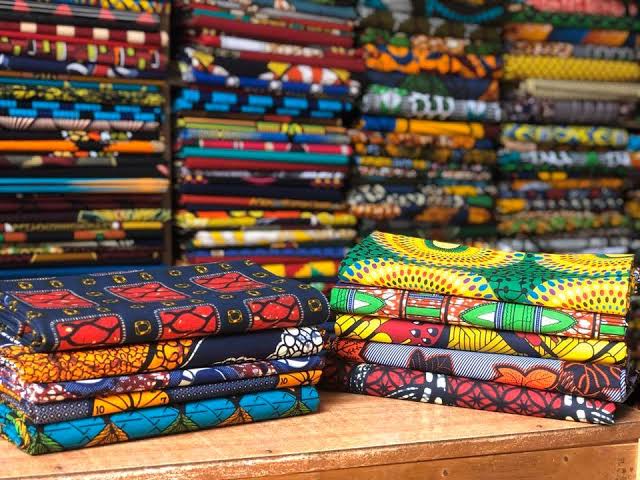
One of the most recognizable fabrics in East Africa is the Kitenge. This brightly colored cotton fabric is widely worn in countries like Kenya, Tanzania, and Uganda. Kitenge fabrics feature bold patterns and vibrant colors that often carry symbolic meanings. Women typically use kitenge to make dresses, skirts, headwraps, and blouses, while men sometimes wear shirts made from the fabric. During weddings, traditional ceremonies, or family gatherings, it is common to see groups of people wearing matching kitenge outfits, symbolizing unity and celebration. Beyond its beauty, kitenge also reflects personal expression, as individuals choose patterns and colors that match their personality or cultural identity.
2. Maasai Shuka
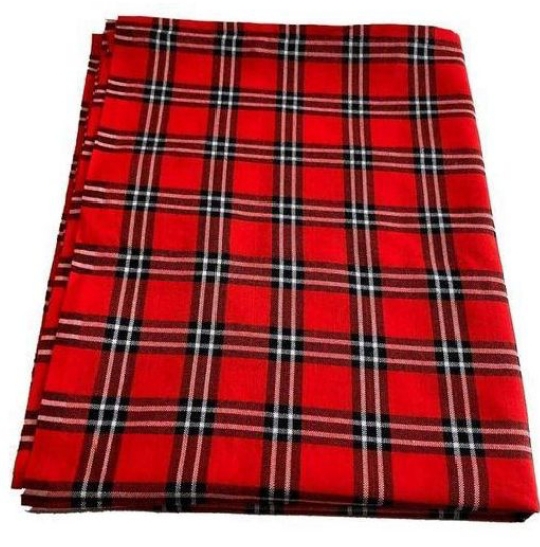
The Maasai Shuka is one of the most iconic garments associated with East African culture. It is traditionally worn by the Maasai people who live in parts of Kenya and Tanzania. The shuka is a rectangular piece of cloth, often red or checkered, wrapped around the body like a robe. Red is particularly significant in Maasai culture as it symbolizes bravery and protection.Historically, Maasai warriors wore animal skins, but over time the shuka replaced these materials. Today, it remains an important part of Maasai identity and is commonly worn during cultural ceremonies, traditional dances, and daily life in pastoral communities.
3. Gomesi
The Gomesi is a traditional dress widely worn by women in Uganda. It is especially associated with the Baganda people. This elegant garment features a square neckline, short puffed sleeves, and a wide sash tied around the waist. The gomesi is often made from silk, cotton, or satin fabric and comes in bright colors and patterns. Women usually wear the gomesi during weddings, cultural celebrations, and religious events. The dress is not only a symbol of beauty but also of respect and tradition in Ugandan society.
4. Kanzu
The Kanzu is a long white robe traditionally worn by men in Uganda and parts of Kenya and Tanzania. It resembles a tunic and extends to the ankles. Men typically wear it with a jacket or coat during formal occasions such as weddings, religious gatherings, and national ceremonies. Among the Baganda community, the kanzu is an important symbol of respect and maturity. In fact, it is the official traditional attire for grooms during many Ugandan weddings.
5. Leso (Kanga)
The Leso, also known as Kanga, is a popular garment worn by women along the coastal regions of Kenya and Tanzania. A kanga usually comes as a pair of rectangular cloths decorated with colorful borders and Swahili proverbs printed along the edges. Women wear them as wraps around the waist, shawls over the shoulders, or even as baby carriers. The messages written on kangas often express emotions, advice, or humor. Through these printed sayings, women communicate feelings, social commentary, or encouragement within their communities.
6. Ethiopian Habesha Kemis
The Habesha Kemis is a beautiful traditional dress worn by women in Ethiopia and Eritrea. This ankle-length dress is usually made from handwoven cotton and decorated with colorful embroidery around the neckline, sleeves, and hem. The embroidery patterns often reflect regional traditions and craftsmanship. Women typically wear the Habesha Kemis during weddings, holidays, and cultural festivals. The garment represents elegance and pride in Ethiopian heritage.
7. Kikoi
The Kikoi is a cultural clothing in form of a wrap commonly worn by men along the Swahili Coast, especially in places like Mombasa and Zanzibar. Made from soft cotton fabric with striped patterns, the kikoi is wrapped around the waist and tied securely. It is lightweight and comfortable, making it ideal for the warm coastal climate. Over time, the kikoi has also become a fashionable item used to create scarves, beachwear, and casual clothing for both locals and tourists.
8. Isidwaba
The Isidwaba is a traditional skirt worn by married women among the Zulu and some communities with cultural links in eastern Africa. This skirt is typically made from leather or thick fabric and symbolizes marital status. Women often wear it during traditional ceremonies and cultural dances.Although it originates in southern Africa, similar styles of ceremonial skirts can also be found in some East African pastoral communities.
9. Busuti
Closely related to the gomesi, the Busuti is another traditional Ugandan garment worn by women. This flowing dress features exaggerated sleeves and a wide sash around the waist. It is particularly popular during formal events such as weddings, cultural ceremonies, and family celebrations. The busuti highlights grace and elegance while preserving the cultural heritage of Ugandan communities.
10. Samburu Beaded Attire
Among the Samburu people of northern Kenya, clothing is often complemented by elaborate beadwork rather than complex garments. Women wear simple wraps but decorate themselves with intricate beaded necklaces, bracelets, and headpieces. These beads are arranged in colorful patterns that represent age, marital status, and social identity. The artistry behind Samburu beadwork is remarkable and reflects the deep cultural traditions of the community.
Conclusion
Cultural clothing in East Africa continues to evolve while still honoring the past. In modern cities like Nairobi, Dar es Salaam, and Kampala, designers often blend traditional fabrics with contemporary fashion styles. Kitenge dresses appear on international runways, Maasai beadwork inspires global jewelry designs, and kangas remain everyday clothing for millions of women. These garments are not just historical artifacts. They are living symbols of identity, creativity, and resilience.
East Africa’s cultural clothing tells powerful stories about its people, traditions, and history. From the bold patterns of kitenge to the elegance of the Habesha Kemis and the symbolic beadwork of the Samburu, each garment represents a unique cultural expression. Even as modernization spreads across the region, traditional attire continues to play an important role in ceremonies, festivals, and everyday life. These clothing items remind both locals and visitors that culture is something to be celebrated, preserved, and proudly worn. For anyone exploring East Africa, understanding traditional clothing provides a deeper appreciation of the region’s diverse communities and the heritage they carry forward with pride.